In other news: Public meeting following Bruce’s killing cancelled. The Lethal Consequences of Lazy Journalism. Red barns, White sheds, and Orange dots. New pound policy allows the killing of more dogs for treatable conditions. Another week, more pet product recalls. Federal government sues raw pet food company. A plant-based diet can reduce biological aging. Dogs and cats absorb key nutrients with plant-based diets. Federal government moves to hide abuse at factory farms. Whales rescued from abusive marine park. Do you have what it takes to save lives? Communities are looking for someone to run or help run their animal shelters. Smile and your dog smiles with you.
These are some of the stories making headlines in animal protection:
Public meeting following Bruce’s killing cancelled
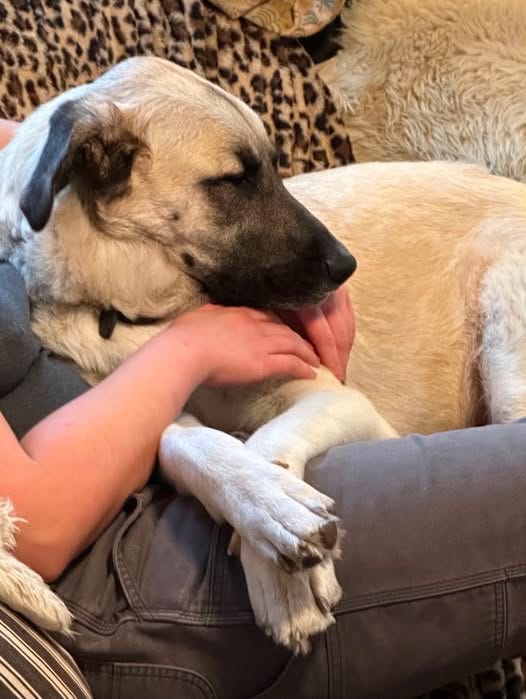
Ventura County Animal Services (VCAS) is facing fierce backlash after killing Bruce, just as his legal team filed an emergency appeal with the U.S. Supreme Court. Despite internal shelter records describing Bruce as a “model citizen” and the Santa Paula Animal Rescue Center (SPARC) offering to fully fund a transfer to a qualified sanctuary, VCAS rejected all non-lethal alternatives.
Compounding public outrage, the agency abruptly cancelled its subsequent Advisory Commission meeting over unverified “safety concerns,” leading advocates to accuse leadership of dodging public accountability. This was the first meeting after Bruce’s killing and Bruce’s killing was going to loom large with members of the public.
The Lethal Consequences of Lazy Journalism
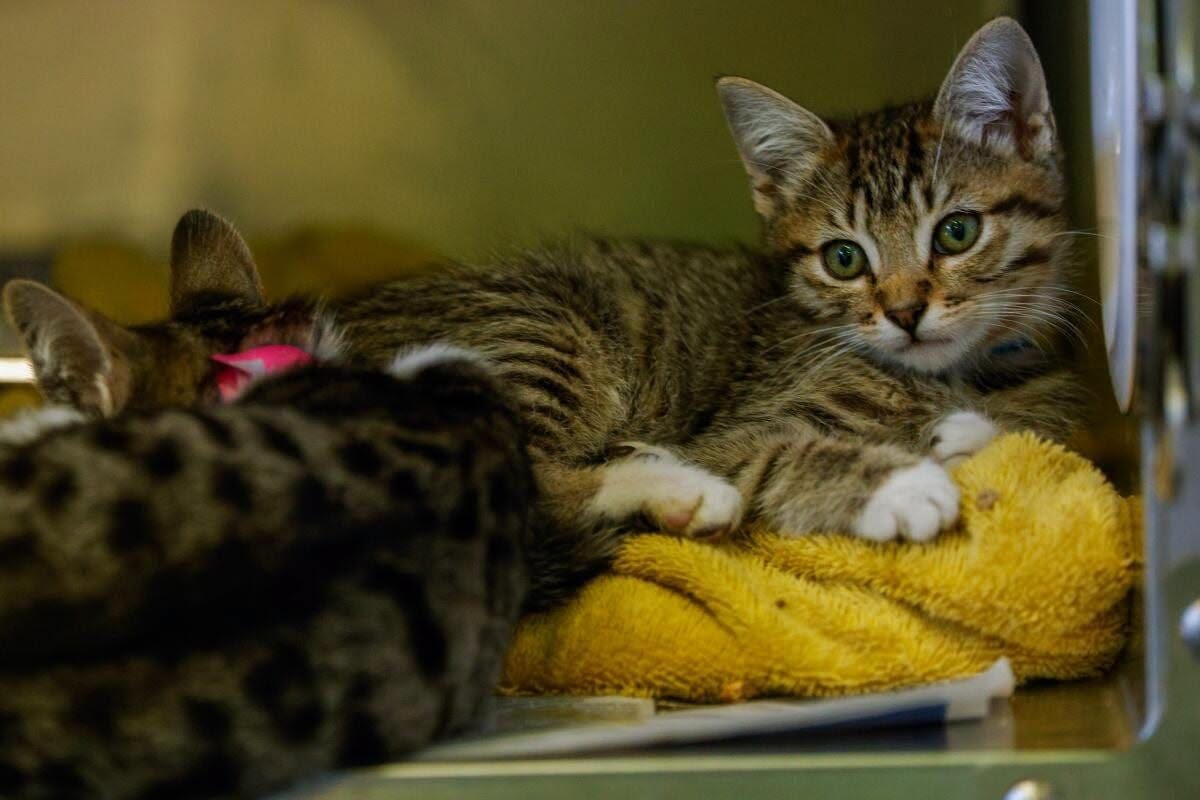
At the Los Angeles City pound, cat killing is up 32% compared to last year, kitten killing has increased 43%, and even dog killing is up. Reporters at the Los Angeles Times blame a lack of spay/neuter. But it doesn’t matter if intakes go up or down at a mismanaged pound like Los Angeles Animal Services, killing will still go up.
Dog intakes down? Killing goes up.
Kitten intakes down? Killing goes up.
Cat intakes up? Killing goes up.
Given that spay/neuter doesn’t account for why killing goes up even when intakes go down, what are the real reasons killing goes up even when intakes go down?
Fewer adoption hours compared to years past.
Neglectful staff, and managers who turn a blind eye.
Elected officials and pound managers indifferent to what constituents want and animals need.
Reporters who do not challenge official narratives.
Red barns, White sheds, and Orange dots
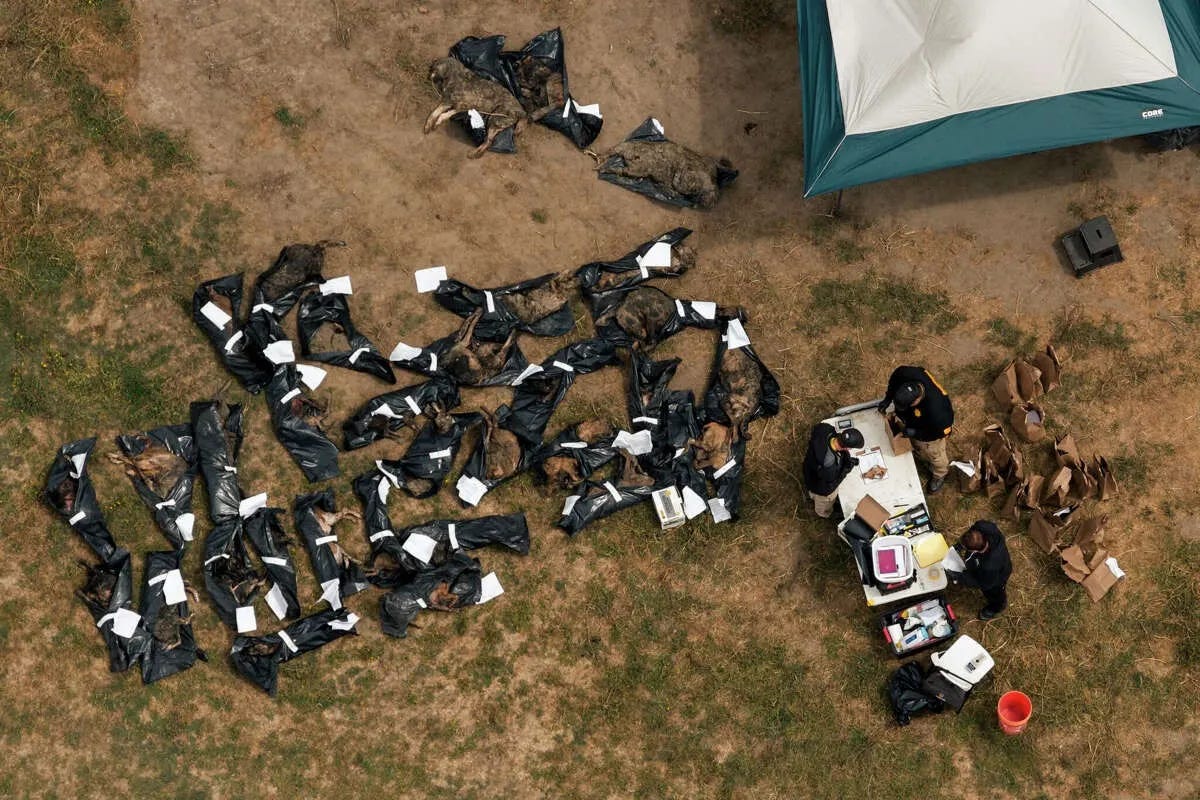
A San Francisco Chronicle investigation traces the rise and fall of Miranda’s Rescue, a Northern California nonprofit that for years marketed itself as a sanctuary where animals would receive lifelong care or be adopted into new homes. Instead, hundreds of dogs entrusted to the rescue are alleged to have been systematically killed while shelters, donors, and families who surrendered animals to the sanctuary believed — and, in some cases, were told — they had been saved.
The scandal is reminiscent of a similar one involving People for the Ethical Treatment of Animals (PETA), which is also alleged to have lied about “saving” animals and instead killing them. Unfortunately, Miranda’s Rescue and PETA are not the only organizations that have been accused of purposely misleading the public. The move by public shelters to claim they are No Kill, but doing so by turning animals away, some of whom have later been found dead, injured, or severely emaciated is another, even more common, example of how agencies entrusted with the care of animals and enriched in the process betray them.
New pound policy allows the killing of more dogs for treatable conditions