


As previously reported, a reader asked me why I do not promote the “good things” done by organizations that I have written critically about. He believed that highlighting when they occasionally use donations for their intended purpose would encourage them to do more of it; and, perhaps, harm fewer animals in the process. I disagreed.
I explained that the fundamental problem is not whether these organizations occassionaly do “good things,” but what their overall record and practices represent. More fundamentally, I believe we have to consider what these organizations actually do to animals.
Using the ASPCA as an example, I reported a record of negligence, corruption, and indifference, including its role in the killing of a dog named Nyla and the emotional torment of her rescuer; the deaths of 20 dogs transported in extreme heat; dogs being allowed to starve; abused animals being killed despite rescue groups willing to save them; its role in the killing of hundreds of thousands of animals; and the cover-up of abuse by an employee who kicked a dog to death.
When such an organization uses some of the money it raises for rescue or adoption, I do not believe publicly promoting that work necessarily incentivizes more of it or serves the animals. To the contrary, I believe it can give the organization additional legitimacy and credibility. When I promote an organization, I am not merely acknowledging one supposed good deed; I am lending my credibility to it. People who trust my judgment may then donate money or defer to that organization on animal-protection issues, with consequences far beyond the particular rescue being celebrated.
That is especially troubling when an organization uses that credibility to oppose policies intended to save animals or, worse, to engage in practices that harm them. I therefore cannot promote an organization simply because it occasionally does something I might consider good, whether it is Best Friends, which I have to come to learn was corrupt from the beginning, or the ASPCA, which became corrupted as it accumulated wealth and power.
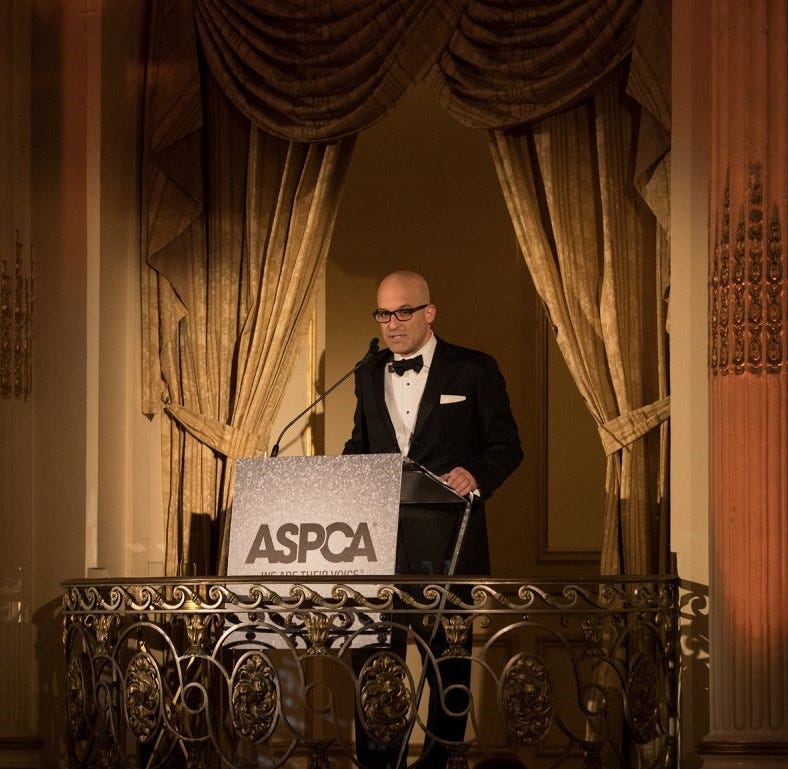
I also explained that more donations would not help more animals. These groups already raise hundreds of millions of dollars per year, but hoard it. Despite this wealth, the ASPCA spends only about 2% on animals in shelters. Most donations go to fundraising and salaries. ASPCA’s CEO, for example, makes nearly $1 million annually, and 259 ASPCA employees make six figures. The amount HSUS spends to help these animals is even less than that, about 1%. Similarly, Best Friends spends an inordinate amount (over $55 million) on salaries, uses donor funds to purchase for-profit businesses such as a hotel and gym, and spends millions enriching the founders who own the logo and license it back to the organization. The proceeds from that Best Friends sweatshirt you bought? It mostly went to the founders, not the organization’s programs.
The final problem with the argument is that it turns animal protection into a kind of moral accounting system. If enough good is done, the bad can be seen as an acceptable price of doing business. This is not conjecture. Multiple people have responded to my criticism of these groups that “we all want the same things” (despite being objectively disprovable) and, besides, “they do so much good.” I don’t accept that premise.
I asked my readers to imagine that a slaughterhouse owner donated a percentage of his profits to a vegan advocacy organization, or that a dogfighter donated some of his winnings to a companion-animal rescue group. Would we then say that the cruelty and killing were rendered acceptable because they had been offset by something good? Though an obvious absurdity, time and again self-professed animal lovers postulate this exact scenario, but in the reverse to defend or excuse the abuse and killing of animals by groups like the ASPCA. Some animal suffering and some animal killing are not and never have been the price we must pay to end other animal suffering and killing.
So what organizations do I support?
Given my criticism of these and other organizations, that same reader — and numerous others over the years — wanted to know which shelters and national organizations I do support.