

We live in an age of institutional rot. Its impact is broad, across numerous government agencies, regardless of the party in power. It has hit our movement particularly hard. Our animal “shelters” are little more than dog pounds. They turn away orphaned neonatal kittens. They don’t answer the telephone, rarely return calls, and will not send staff to assist rescuers and animals. They make it difficult to adopt, often requiring appointments, even though appointments markedly reduce the number of animals that find homes. They no longer publish statistics or only provide opaque “save rates” that ignore animals they turn away, remove whole categories of animals who lose their lives (like “owner requested killing” or “deaths in kennel”), and combine species to hide mass killing of cats. They are killing more animals despite taking in fewer, with even extremely well-funded cities like Los Angeles and Austin failing. Meanwhile, corrupt fundraising organizations, like Best Friends, pretend most of these facilities — neglectful, abusive, murderous — are No Kill.
Adding insult to injury, much of this was by design. During the pandemic, Ellen Jefferson and Kristen Hassen of Austin Pets Alive enlisted other organizations, like Maddie’s Fund, to dismantle the infrastructure that brought killing to all-time lows (while not turning animals away). Central to this strategy was convincing animal “shelters” to close their doors and stop rescuing lost dogs or providing refuge for stray kittens.
The policies manipulated intake and placement rates by abandoning the fundamental purpose — indeed the very definition — of a shelter: to provide a safety net of care for lost, homeless, and unwanted animals. Under a vision more suited to the 19th century than the 21st, “Intakes of healthy strays and owner surrenders doesn’t exist anymore,” and there is “No kennel space for rehoming, stray hold or intake.” And as the public began to push back, Jefferson, Hassen, and their ilk didn’t pause to reconsider. They hit the gas.
During a strategy session, Jefferson and her team admitted that “people are already starting to complain about lack of infrastructure to support lost and found and abandoned pets during COVID.” To prevent shelters from providing that infrastructure once the pandemic ended, Austin Pets Alive told partners they needed to move fast because public expectations that shelters would do the job entrusted to them would return.
It’s been five years since the rollout of the vaccines that ended the pandemic, and many of the Jefferson-Hassen policies, going by the euphemisms “community sheltering” or “Human Animal Support Services,” are still harming animals and doing so on a mass scale.
But there is hope.
Some shelters refused to betray animals to court the resources and attention of Best Friends, Maddie’s Fund, Austin Pets Alive, and others. And they continue to offer a beacon of light to those who care. One of those beacons is the shelter in Fremont County, CO.
In 2025, it achieved a 98% placement rate for dogs, 98% for cats, and 100% for rabbits and others, inclusive of all animals (“owner-requested euthanasia,” “court-ordered,” and deaths in kennel). That not only makes them the most successful shelter in Colorado, it makes them one of, if not the most successful shelter in the U.S.
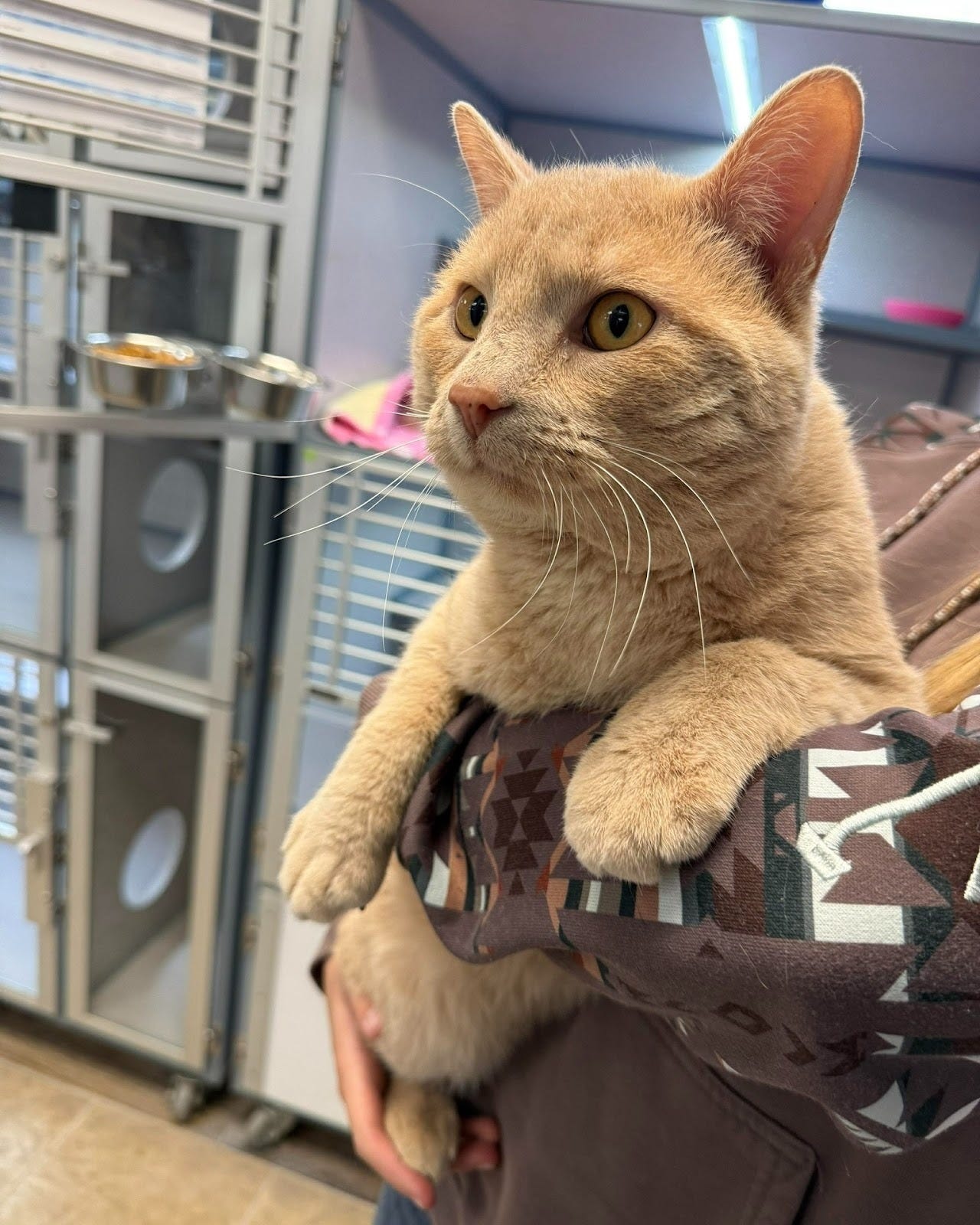
The Humane Society of Fremont County, which runs the open-admission shelter, is so committed to saving every animal that Doug Rae, its director, called it a “decent year” (not their best, as they have achieved 99% placement rates and near 100% rates in some years). And the 2025 result came despite challenges, including a hoarding case involving dozens of cats in very poor condition: “Terrified. Neglected. Broken. Some so sick they can barely open their eyes. Others carrying the weight of untreated infections, tumors... All of them in pain. All of them in desperate need of hope.” At HSFC, they received more than hope. They received medicine, surgery, love, and loving new homes.
In addition to living in an age of institutional rot, we live in an age of extremes. In politics, we are offered two poor choices, with no regard for an effective, practical, and pragmatic route that improves the lives of the vast majority of people who live, work, and play by the rules. So, too, in animal sheltering. On the one hand, death cults like PETA promote quick killing in pounds. On the other hand, the money-hoarding national “humane” groups and their acolytes promote leaving animals to fend for themselves on the streets. HSFC went a different route.
Instead of listening to Jefferson, Hassen, or any of the groups that turned coat, they listened to their conscience and then went to work. Instead of leaving animals on the street, they brought them to the shelter. Instead of excuses, they embraced solutions.
So it is incumbent on legislators, rescuers, advocates, animal lovers, taxpayers, and residents in other communities not to be satisfied with less. Because more is possible and anything less is a profound failure.
Onward, onward, onward and, most importantly, upward…
Dear Nathan, Thank you for the positive news of the Fremont County, CO. Shelter high placement rates of dogs and others vs the continued hypocrisy and cruelty of Jefferson-Hansen, PETA, Best Friends, Maddie’s Fund, Austin Pets, and others. What will it take to bring humanity, sensitivity, compassion, and Common Sense and kindness to these greedy and inhumane entities and their overseers?! As l have stated many times before, Education via such as Animal-Study Schools where children will experience interaction with loving dogs and other animals and thus learn sensitivity and caring for Sentient Beings/animals, which they will hopefully share with their friends and family. And the hope is that the current and future generations will thus become more loving in order to Make This a Kinder and More Loving and Better World. Nathan, please continue to be our Ambassador of Compassion and Animal Rights.❤️🐶😸🐇🐓🐷🐂🐟🐏🙏🙏
Doug (and his staff) has long been a shining light in the darkness. When other shelters were making excuses to limit services, Doug stayed the course. He is an inspiration to everyone in the movement as we navigate this new reality in which former members of our movement no longer support or promote the Equation and instead focus on self-promotion while enabling poorly performing shelters or shelters engaged in neglect. Perhaps the best thing about Doug, beyond the results, is the fact that he's just a regular guy. He's one of us who thinks nothing of doing extraordinary things every day. For him, saving lives is not at all controversial. It is a moral imperative. And that's why we love him. Not once have I asked Doug for help or input when he did not carve out the time to make our world a better place.