

Summary: The California Animal Welfare Association’s (CalAnimals) proposal for a government agency within the Department of Agriculture to regulate rescue groups is a power grab that exploits the Miranda’s Rescue scandal while ignoring existing legislative solutions. State oversight elsewhere has proven ineffective, failing to stop criminal conduct, fraudulent animal seizures, or unwarranted killing. Establishing this bureaucracy also risks institutionalizing high-kill policies that undermine private rescue groups. Compounding the issue, judicial deference to state agencies would make challenging these harmful regulations in court difficult and may even prove impossible.
Core arguments:
Exploiting Crisis: Uses the Miranda’s Rescue controversy to centralize power while bypassing existing legal remedies.
Ineffective Track Record: Similar state bureaus elsewhere routinely fail to prevent abuse, deceptive practices, or illegal animal seizures.
Systemic Threat to Rescues: Bureaucracies tend to entrench high-kill policies that strip private rescue groups of their rights to protect animals.
Unattainable Judicial Relief: Because courts heavily defer to administrative agencies, challenging agency decisions or policies in court becomes difficult.

In the wake of the Miranda’s Rescue scandal, California kill “shelters” and their lobbying arm, the California Animal Welfare Association (CalAnimals), are proposing a new statewide oversight body. They claim it will prevent future tragedies. Some reformers are cautiously optimistic, provided the agency remains independent. I believe this is naive. The idea that expanding California’s government bureaucracy will prevent such crimes is not just wishful thinking — it is a dangerous pretext for consolidating power.
California’s core failure is not a lack of government, but an excess of it. We pay the highest taxes for the nation’s largest bureaucracies, yet we continue to lead in negative outcomes: from homelessness and crime to failing infrastructure and, most tragically, the number of animals killed in pounds. More bureaucracy will not lead to better outcomes. Here’s why.
CalAnimals is using the scandal at Miranda’s Rescue to make a power grab
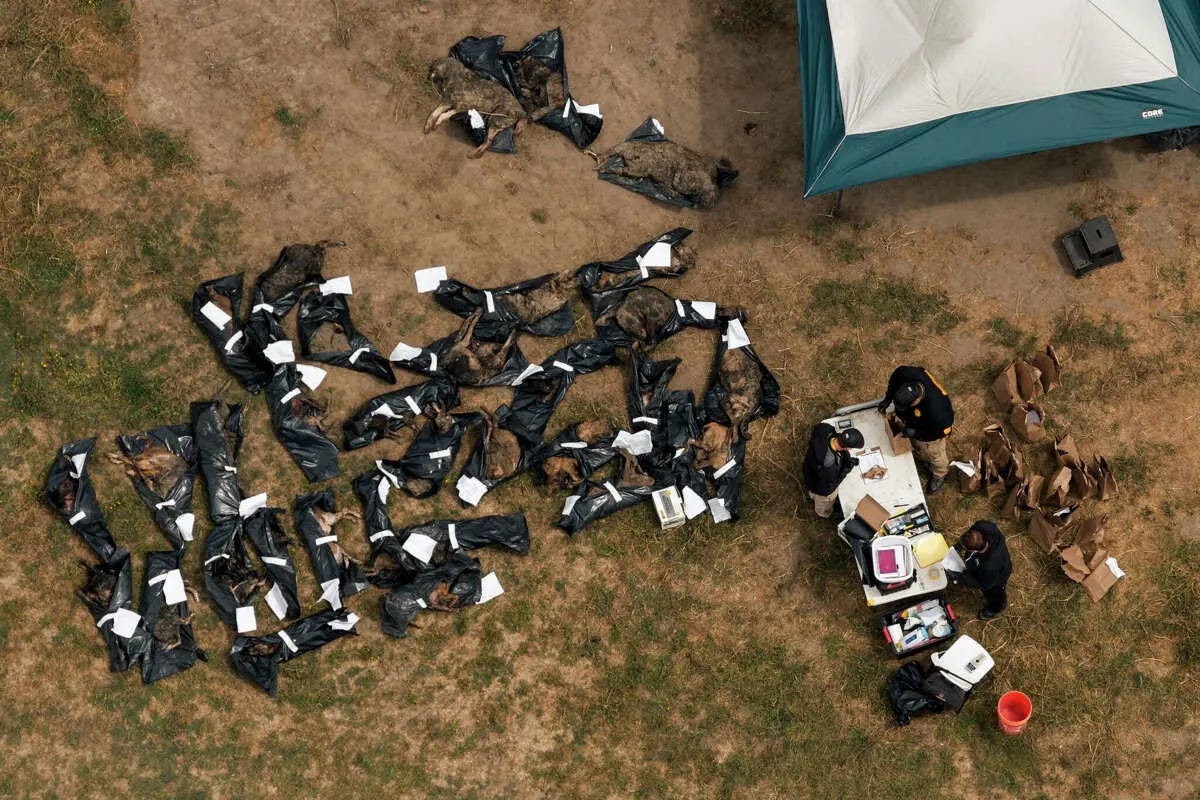
According to multiple news reports, Miranda’s Rescue, a Northern California nonprofit, marketed itself as a sanctuary where animals would receive lifelong care or be adopted into new homes. Instead, hundreds of dogs entrusted to the rescue are alleged to have been systematically killed while shelters, donors, and families who surrendered animals to the sanctuary believed they had been saved.
Many of these paid Miranda’s Rescue to accept difficult-to-place animals. For example, Oakland Animal Services paid Miranda’s Rescue $376,000 to send 827 dogs since 2020. Yet investigators reported that after reviewing documents, they found only a single adoption record, raising immediate questions about what happened to the hundreds of other animals.
Those investigators believe that Shannon Miranda, the founder, orchestrated a scheme in which animals were accepted from shelters and owners in exchange for substantial fees, then those animals were killed rather than cared for or adopted out.
As investigators searched the property, they uncovered evidence that appeared to support those allegations, including blood spatter, spent .22-caliber shell casings, more than 600 dog collars, and burial sites containing large numbers of canine remains. Many of the recovered dogs were identified through implanted microchips that traced them back to shelters. In some cases, those shelters were told the dogs had been adopted.
Following these revelations, CalAnimals held a press conference at the State Capitol calling for the creation of a “Bureau of Companion Animal Welfare” within the California Department of Food and Agriculture that would license and inspect facilities, like Miranda’s Rescue. Ironically, CalAnimals is the lobbying arm of a system of corrupt and incompetent pounds across California responsible for killing roughly 100,000 animals annually, dwarfing the amount Shannon Miranda is alleged to have killed. In fact, they actively fight legislation that would reduce this number.

For example, Bowie’s Law (AB 595) — named after a shy 15-week-old puppy killed by the Los Angeles County pound, despite a rescue group willing to save him — would have required “shelters” to notify the public and qualified non-profit adoption organizations 72 hours before killing animals, unless those animals were irremediably suffering. Bowie’s Law was introduced to ensure that animals like him, who have a place to go, would be spared. And given that such notifications are possible through shelter software already used by these facilities or available for free, complying would have required nothing more than the proverbial two strokes of a keyboard: one or two clicks to notify the public and rescuers that a life needed saving. AB 595 was such a simple, common-sense law, it is astonishing that anyone opposed it. But it was opposed by CalAnimals, and because of that opposition, it died in the California Assembly — which means animals continue to die needlessly along with it.
A California Bureau of Animal Welfare would not have prevented the scandal at Miranda’s Rescue
Aside from questionable motives, a Bureau within the Department of Agriculture would not have prevented the Miranda tragedy. The director of Oakland Animal Services claimed they “did not realize how many animals he was taking in from all these other jurisdictions” and further stated that if they did, it would have given them pause. “If there were a statewide system, with a couple of clicks of the mouse, you could realize that.” This is disingenuous. The reality is that they did not want to know. They chose to look the other way rather than demand transparency. If they did want to know, they could have required that data from Miranda as a condition for sending animals there.
Make no mistake: the tragedy, in terms of the number of potential bodies, could have been prevented. It should have been prevented. Whistleblowers, including a former employee of Miranda’s Rescue and neighbors, contacted law enforcement about what was happening. The conduct was illegal before and it is illegal now and there are laws and agencies tasked with enforcing those laws. They didn’t. The whistleblowers and witnesses were ignored for years. And a state oversight body wouldn’t necessarily change that. In fact, it is less likely to be effective than the local Sheriff’s Office.
If someone is willing to illegally kill dogs, bury them, spread powdered limestone to suppress and mask the odor of decomposition, and send false photos to shelters claiming that the animals were adopted, why would they not doctor the data they send to a state bureaucracy? Especially one in California that will be overfunded, yet inexplicably understaffed, and wholly indifferent to its mission, as anyone who has ever dealt with the Department of Motor Vehicles, the Department of Agriculture, and other California state agencies knows firsthand.
The failure of state oversight agencies
Moreover, we have the example of other states. The Commonwealth of Virginia has an agency within its Department of Agriculture & Consumer Services (VDACS) that oversees and inspects animal shelters. In addition to suppressing innovation, including opposition to group housing of dogs, and questioning the legality of foster care, rescue transfers, and community cat sterilization, it also oversees — and historically ignored — illegal conduct on the part of People for the Ethical Treatment of Animals, which is classified as a “private shelter” in that state.
Former PETA employee Heather Harper-Troje revealed that the organization routinely misleads the public to collect animals while killing animals off-the-books:
“I know from first hand experience that the PETA leadership has no problem lying. I was told regularly to not enter animals into the log, or to euthanize off site in order to prevent animals from even entering the building. I was told regularly to greatly overestimate the weight of animals whose euthanasia we recorded in order to account for what would have otherwise been missing ‘blue juice’ (the chemical used to euthanize), because that allowed us to euthanize animals off the books. I was told regularly to say whatever I had to say in order to get people to surrender animals to me, lying was not only acceptable, it was encouraged… Contrary to what PETA maintains, the majority of animals it takes in are not beyond hope, in my experience many would be considered highly adoptable by a shelter, the ‘better off dead’ line is one that is dragged out in order to excuse what they do — and it’s a lie.”
She is not alone.

A May 2005 criminal investigation also highlighted these practices when police discovered dozens of dead dogs and cats discarded in a supermarket dumpster. Law enforcement shadowed two PETA employees as they collected animals from local shelters and a veterinary clinic under promises of rehoming them, killed the pets inside a company van, and dumped the bodies. A search of the van uncovered euthanasia chemicals and syringes, garbage bags, and other dead animals, while a local veterinarian confirmed that healthy animals handed over to PETA for adoption, including a mother cat with kittens, were among those killed within minutes.

In 2014, moreover, two different PETA representatives were caught stealing and killing a family’s dog. After backing their van up to a home in Parksley, VA, they threw biscuits to Maya, who was sitting on her porch. They hoped to coax her off her property and allow PETA to claim she was a stray dog “at large” whom they could legally impound. Maya refused to stay off the property and, after grabbing the biscuit, ran back to the safety of her porch. One of the PETA representatives went onto the property and took Maya. Within hours, Maya was dead, illegally killed with a lethal dose of poison. PETA initially denied taking the dog but surveillance film proved otherwise and PETA was forced to admit their actions.
Despite violating numerous laws, a mortality rate exceeding 90% of the animals in its care, the killing of over 50,000 known animals plus an untold number of animals “off the books,” continuing to kill roughly 2,000 animals each and every year, and violating the very definition of a shelter, the agency that is supposed to regulate shelters allows PETA to continue operating with impunity. For stealing and killing a family’s dog, they paid a mere $500 fine to VDACS, a small fraction of the $66 million they raised that year.
How state agencies legitimize and even promote killing
Aside from failing in their oversight capacity, state agencies like the one proposed for California can make things worse. Indeed, this ongoing source of harm comes at great cost. According to Jill Tucker, the CEO of CalAnimals, and the lobbyist almost single-handedly responsible for the defeat of Bowie’s Law and similar reform efforts, the “idea for the bureau was inspired by Colorado’s 1994 Pet Animal Care and Facilities Act. Tucker said that PACFA is ‘largely self-sustaining’ through licensing fees, and that the goal is to set up a similar model in California.” That, too, is dishonest.
State agencies are costly
In FY 2025–2026, PACFA received $170,295 in General Fund appropriations. It also receives targeted supplemental funding that can add hundreds of thousands of dollars. Ignoring supplemental funding and the enormous cost to create and staff an entire new bureaucracy, an equivalent agency in California would cost $1,166,000 annually to match Colorado’s. But more to the point, PACFA, the agency that oversees “shelters” in that state, isn’t an agency geared to increase lifesaving; it is a tool for killing more animals at the behest of pounds in Colorado.
For example, PACFA was tasked with regulatory oversight of legislation that required Colorado shelters to “address the behavioral needs of each dog and cat held in its custody.” Even though the bill passed by the Colorado legislature and signed by the Governor states, in relevant part, that doing so shall not limit “live outcomes for dogs or cats in the custody of an animal shelter or pet animal rescue,” PACFA passed regulations giving pounds the authority to kill the animals instead.
State agencies promote killing
The regulations identified “defecation when engaged socially,” “stereotypic behavior” such as pacing, and other easily remedied behaviors, as indicators of an “Unacceptable quality of life.” The timing and frequency of defecation should not be a death sentence. Likewise, pacing should not be a death sentence. In Colorado, it now is. In California, a similar agency may soon be given the power to follow suit.
And that’s not all. If passed, expect the California Bureau to limit the numbers and kinds of animals transferred to rescuers, by giving “shelters” the power to determine whether they are “adoptable” so that they could kill more dogs, even though rescuers are ready, willing, and able to save them. That is the power they seek, after losing a lawsuit to gain it.
A state agency would threaten rescue rights
This month, a well-known shelter changed its protocol to define dogs as eligible for killing if they exhibit any two typical dog behaviors, including but not limited to shyness, barking (“alert barking” or “demand barking”), overexcitement, poor manners, or communicating discomfort by lip-licking or whale-eye. Right now, if a shelter in California had such an internal policy, a qualified rescue group could prevent them from killing such a dog by demanding custody under California’s rescue rights law. If a Bureau of Animal Welfare were to codify those “euthanasia policies” as state-mandated regulations, killing those dogs would have the force of law. Unless a rescue group were to file a lawsuit and prevail — overcoming the deference to agency regulations courts give by significantly limiting the scope of review — kiss rescue rights goodbye.1
A trojan horse filled with kill pound ideologues
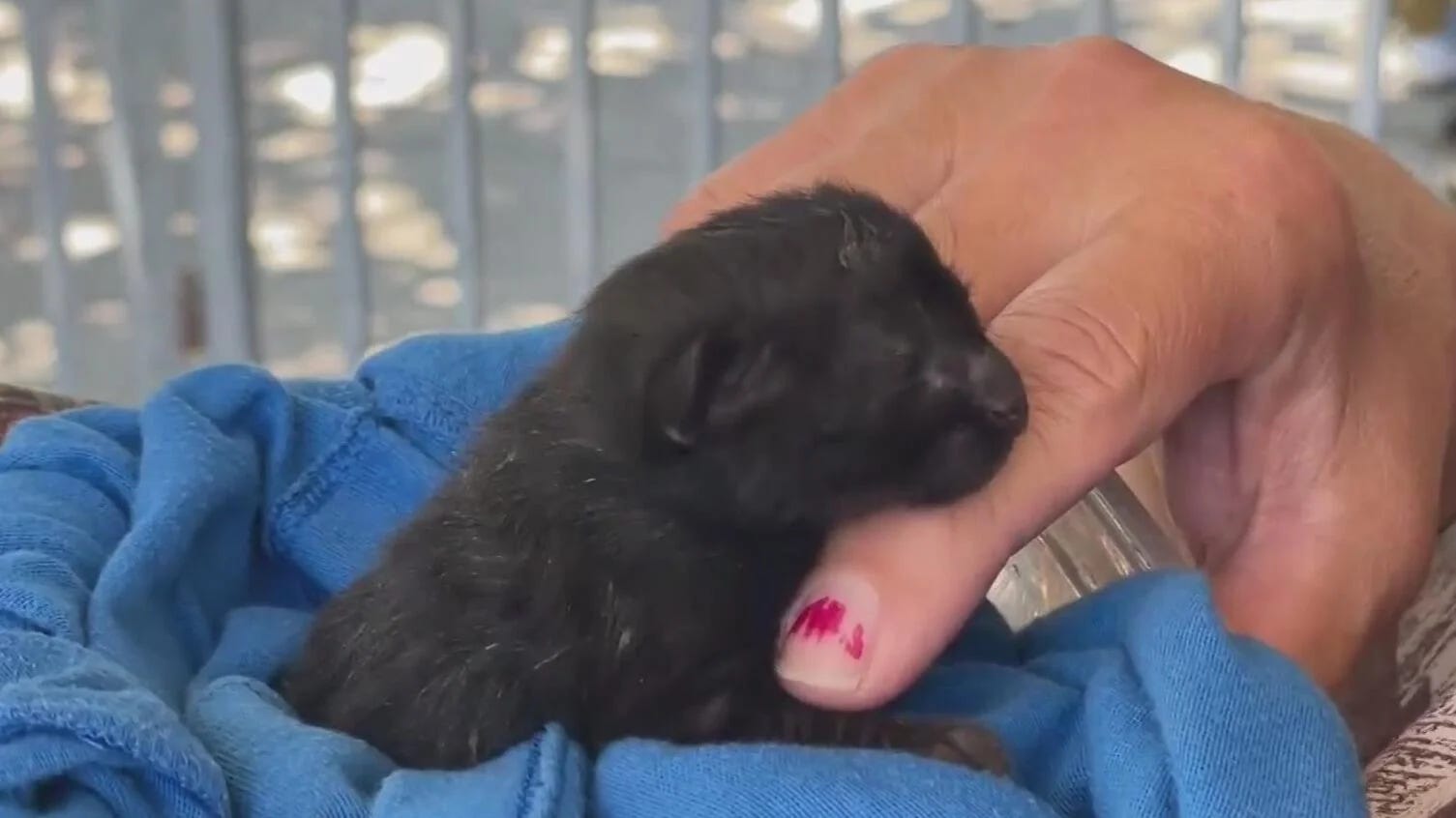
In front of reporters and legislators, Jill Tucker pretends her job doesn’t include defeating legislation that would reduce killing. She also pretends that it doesn’t include legitimizing pounds that engage in killing and want to kill even more, but for courts and laws which prevent them from doing so. Likewise, Oakland Animal Services pretends that it is a responsible agency that doesn’t kill animals or turn them away, including orphaned neonatal kittens by telling residents to abandon the animals they have found. Its director also pretends that remaining willfully blind to where animals are sent wasn’t a choice. And yet, we are expected to follow their lead on what is best for animals in this state. We do so at our, and the animals’, peril.
Tragically, some criminal behavior cannot be prevented no matter what we do. But that doesn’t mean we cannot do anything. We can hold elected officials accountable to results. We can remove people from office who do not take animal abuse seriously, including sheriffs, mayors, state legislators, judges, and district attorneys. We can demand reform at our local kill pound. We can reject ideological fever dreams for practical solutions. In short, we can keep abuse in check.
But one thing that we won’t be able to control? Yet another ideologically-driven state bureaucracy beholden to no one but the very pounds that do the majority of the neglecting, abusing, and killing of animals.