In other news: The battle to save Bruce continues. City rejects killing dogs based on how they look. Another community ends its breed discriminatory laws. Do you have what it takes to save lives? Federal Government weakens Endangered Species Act. As a heatwave puts dogs in cars at risk, another state says enough is enough.
These are some of the stories making headlines in animal protection:
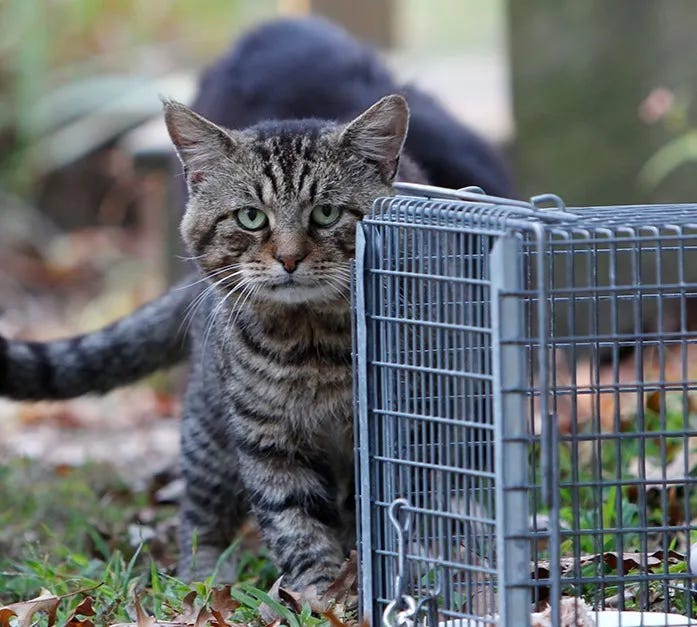
Cats exonerated for wildlife harm
While Australian officials continue their campaign to eradicate millions of cats, a new study exonerates them for the wildlife harm they are being falsely blamed for.
Researchers analyzed 11 years (2013–2024) of wildlife rehabilitation records in Australia, covering 52,475 individual animals from 158 threatened species. Human and human activities were responsible for most known wildlife harm, followed by extreme weather events (which might also be human-related). Notably, other animals represented just 4.4% of all wildlife injuries, with cats representing a minority of those (0.6%). That is 311 of the 52,475 injuries, and does not account for the fact that cats are scavengers and may have come across wild animals already injured for other reasons (e.g., human caused harm).
The study concluded that while public debate has disproportionately emphasized cats as a “conservation threat,” that debate is misinformed. In addition to falsely blaming cats, it overlooks more common and potentially preventable human causes of wildlife injury. The analysis finds that most harm is associated with human-modified environments, including hazardous infrastructure, roads, entangling materials, and habitat fragmentation.
The study’s main implication is that wildlife protection efforts would achieve greater benefits by prioritizing prevention of the most common rescue causes rather than focusing on cat management and killing. Unfortunately, study findings that practical interventions such as wildlife-safe netting, reducing road hazards, and improving habitat connectivity would direct resources toward interventions with the greatest impact, are likely to fall on deaf, defiant ears.
The Australian nativist preoccupation with killing cats has nothing to do with wildlife protection. The modern environmental movement’s monomaniacal focus on controlling animals they deem “non-native” is driven more by ideology, rather than sound science or consistent ethics. It is unscientific because ecosystems and species distributions have always changed through evolution, migration, climate shifts, and geological processes, making the distinction between “native” and “non-native” an arbitrary snapshot in time rather than a fundamental biological principle.
It also leads to sadistic, hypocritical, and unworkable policies.
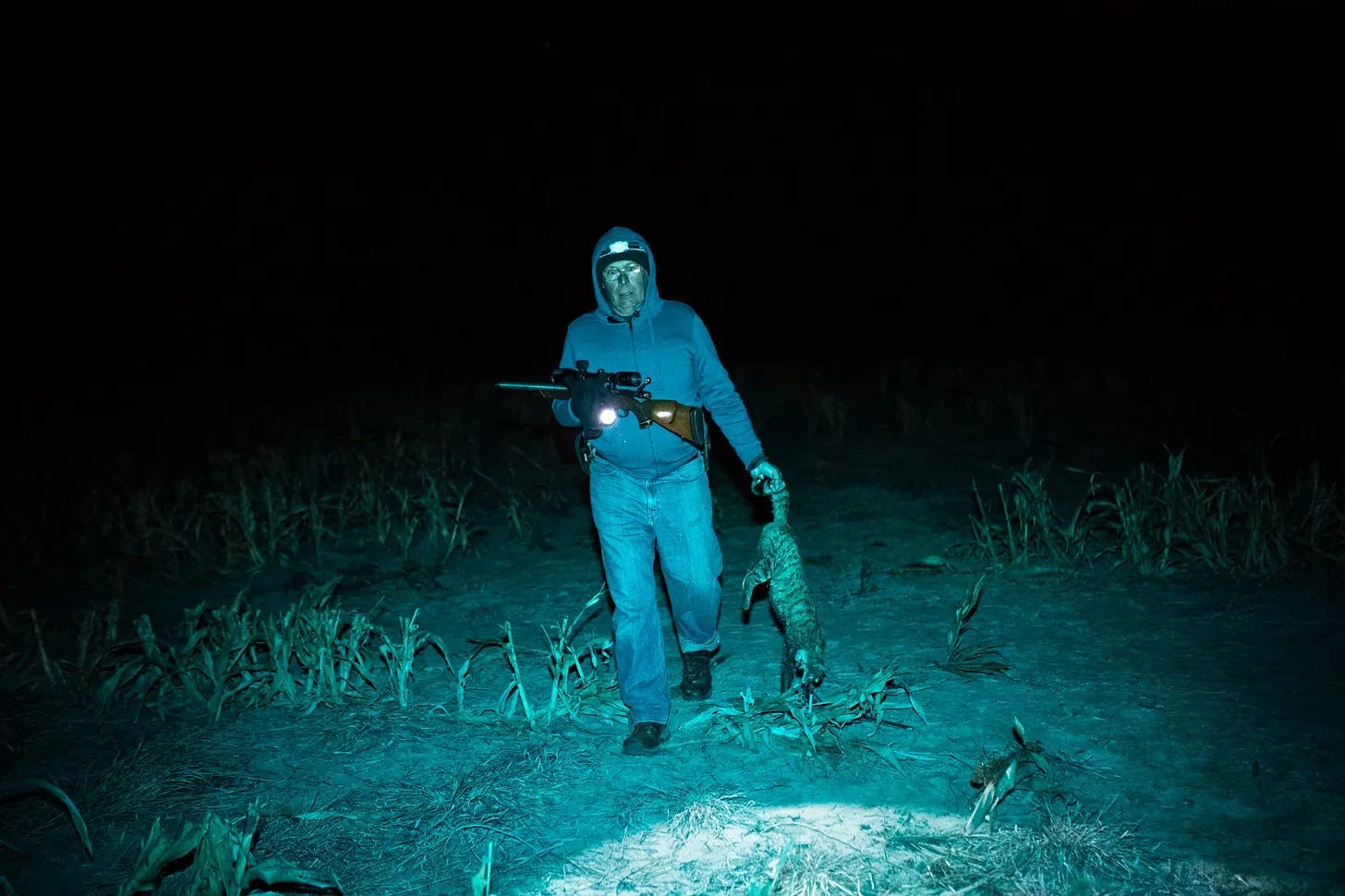
Sadistic, because the methods they employ are ruthless: blunt-force trauma, hunting with bows, hanging and disemboweling, cutting off heads while the animals are alive, suffocation, and poisoning that causes diarrhea, lethargy, and massive internal bleeding, leading to a slow, painful death over several days.
Hypocritical, because they force standards on animals that “conservationists” refuse to follow even though human animals are also “non-native,” belong to a species that is the most “invasive” the planet has ever experienced, and cause most environmental destruction, including the decimation of wildlife populations.
Unworkable, because they can never achieve the ultimate goal of eradication. As such, it is a slaughter with no end and no potential benefit: the scientific evidence is clear that removing one species to help another does not work.
In addition to ongoing violence towards animals, these actions also harm people, and children. Lethal intervention results in cat caregiver suffering. That suffering is significant, leading to grief, trauma, poor physical health, and long-term psychological distress, including profound guilt, loss, and inability to eat. And given that the link between animal violence and human violence is well-known and well-established, killing animals in the name of “nativism” imprints children for using violence to solve perceived problems.
Tragically, it isn’t just Australian nativists targeting cats. Nativists in U.S. states are killing cats, too, such as on Hawaii.
The battle to save Bruce continues
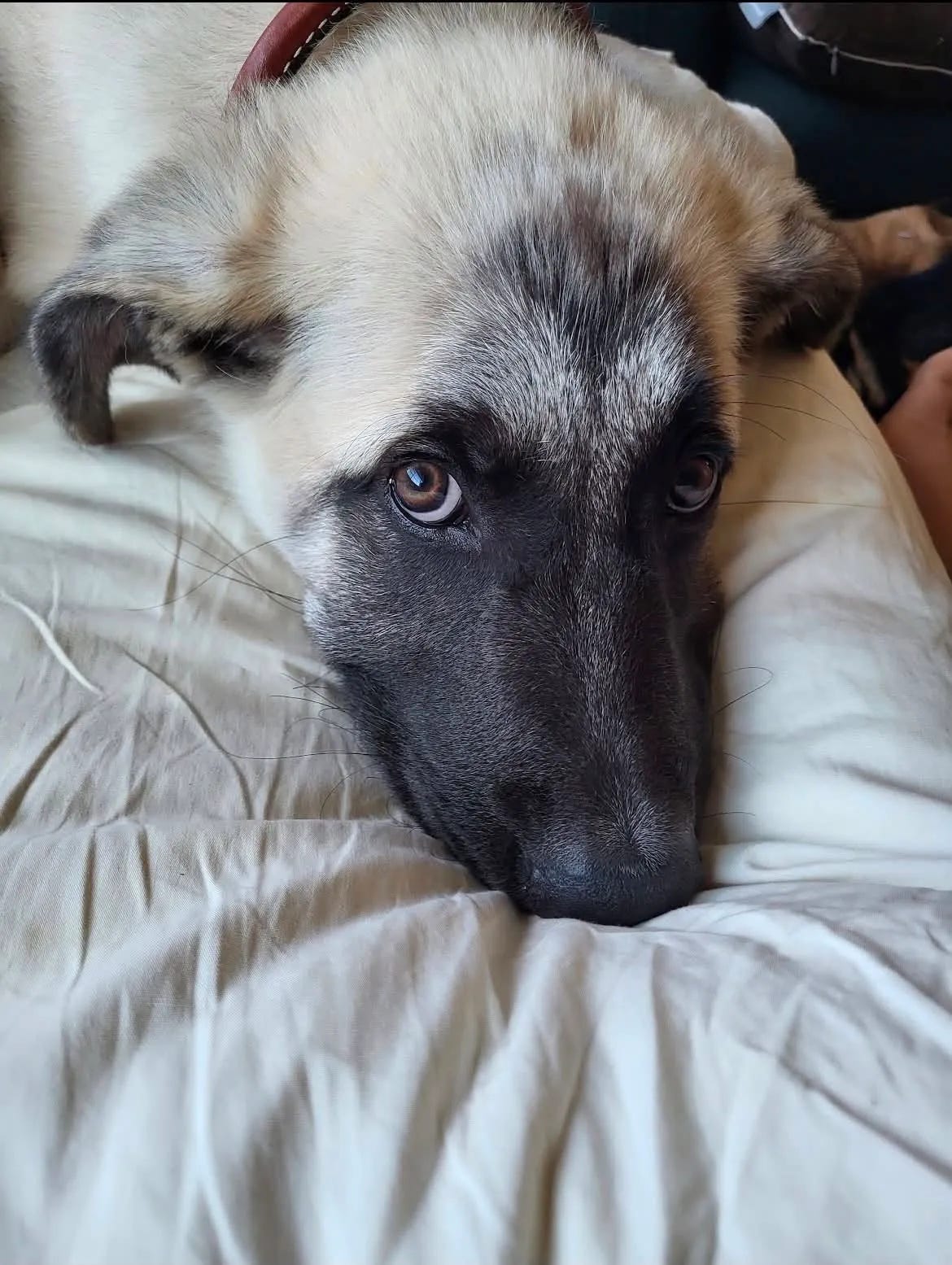
A lawsuit challenging Ventura County Animal Services’ decision to kill Bruce, despite a non-lethal, humane alternative that protects public safety, continues despite some setbacks. To prevent Bruce the opportunity for life and happiness, Ventura County officials are now trying to deny rescuers their day in court.
City rejects killing dogs based on the way they look