In other news: It’s a wonderful life. Half-hearted animal protection bill passes. Every pet deserves a loving home and a warm house. At long last, will carriage horses be banned? Alarming levels of pesticides, plastic, and heavy metals in pet food. Do you have what it takes to save lives? Fifth whale dies at aquarium. Proposed ban on cruel glue traps. Legislation to ban funding of dog and cat vivisection. School bus driver fired for role in saving injured kitten. Big animals outlive smaller ones, except dogs. Another town criminalizes compassion.
These are some of the stories making headlines in animal protection:
It’s a wonderful life
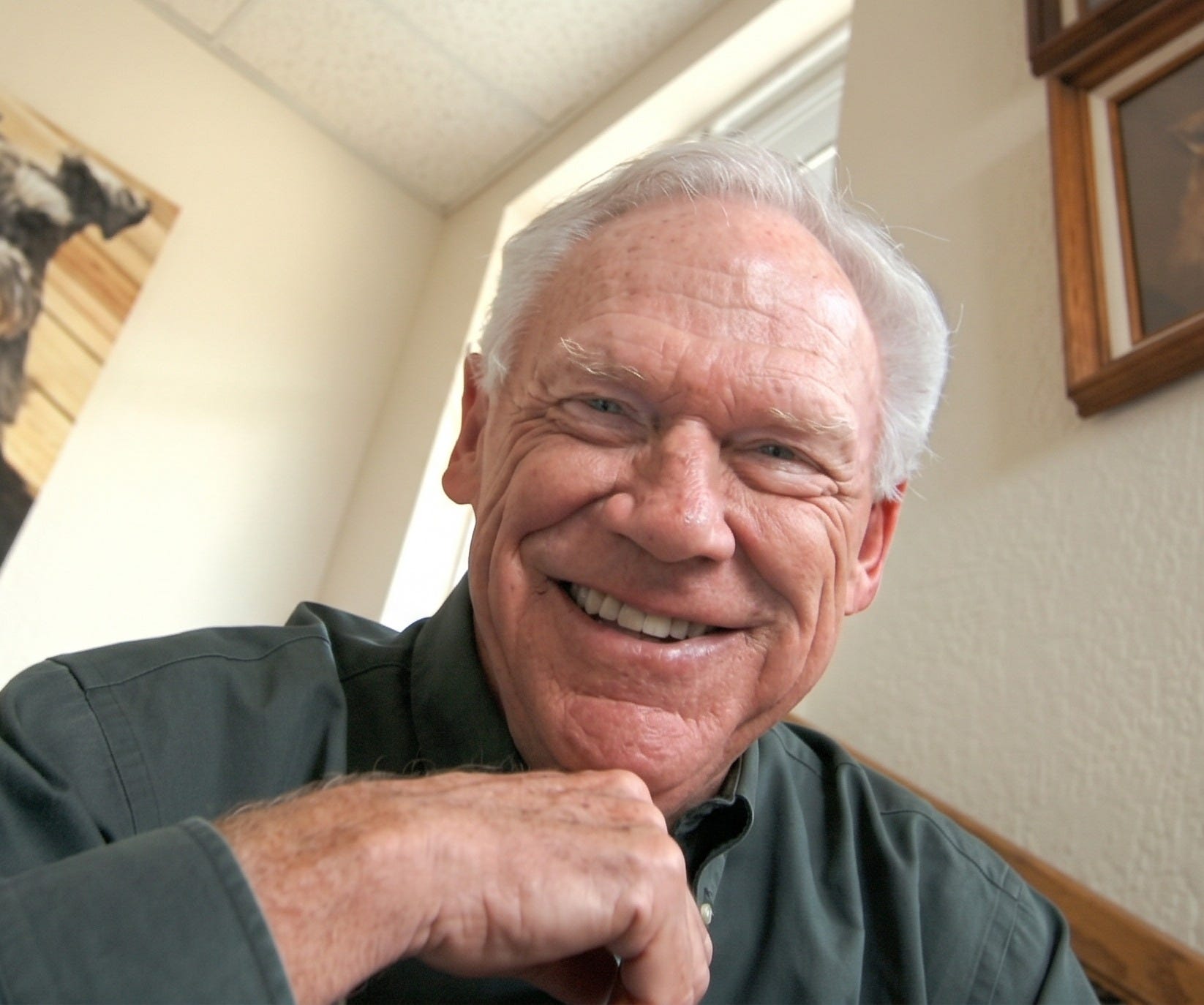
Richard Avanzino died on September 20, at the age of 84.
Long before No Kill became a national movement, before shelter medicine became a recognized field, before foster care, offsite adoptions, behavior programs, low-cost sterilization, and adoption guarantees became familiar parts of the animal sheltering landscape, there was a man in San Francisco who looked at an institution built around killing animals and asked a deceptively simple question: What if we stopped?
I was fortunate enough to work for Rich Avanzino at the San Francisco SPCA. Eventually, I would take the model he created there to an open-admission animal control facility in New York, where we would build upon it and create the first No Kill community. Hundreds of communities thereafter did the same, bringing national pound kill rates to all-time lows — a 97% decline in killing. But before any of that happened, there was San Francisco, and there was Rich.
Half-hearted animal protection bill passes
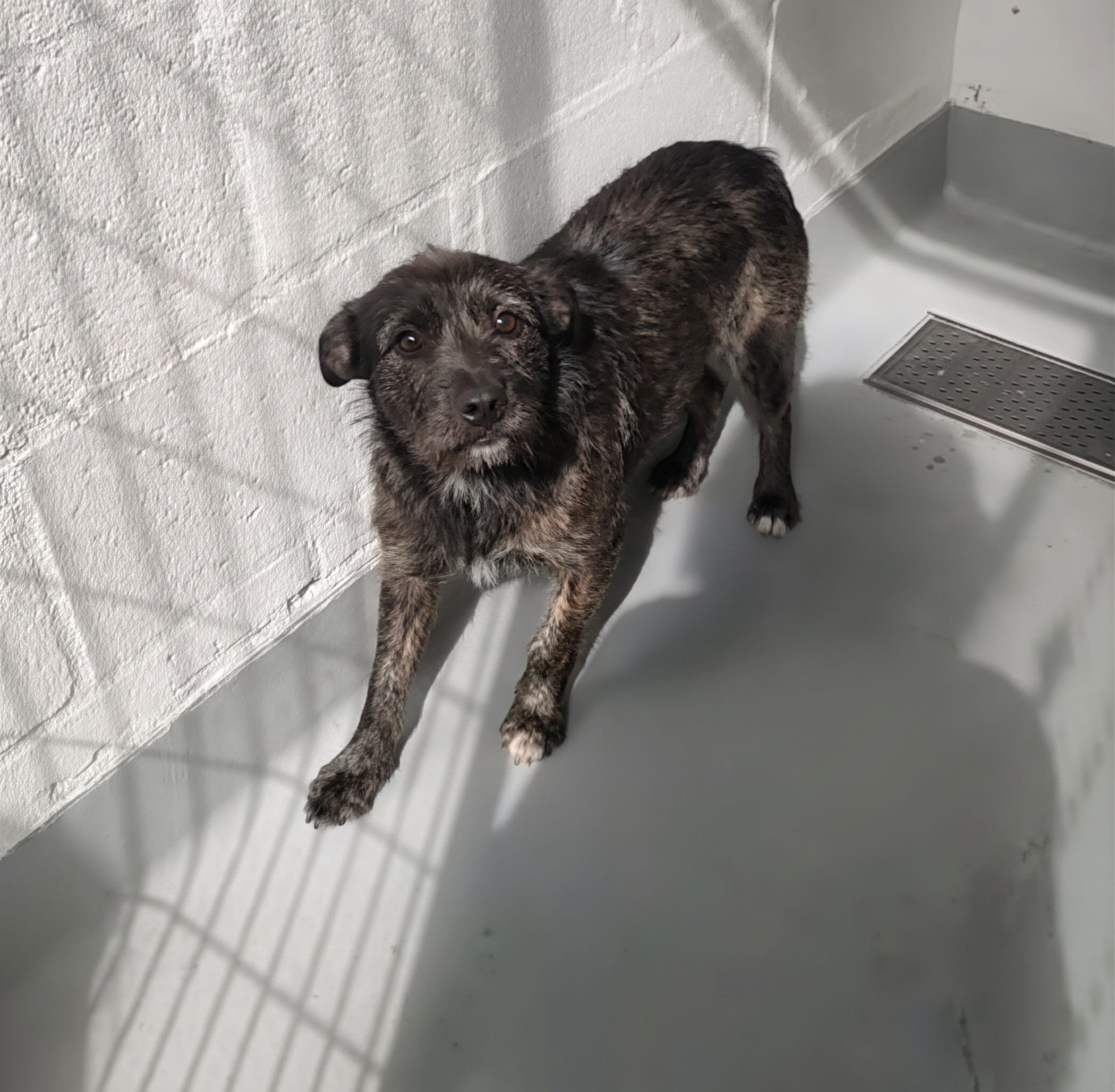
California’s Governor signed into law a bill that would allow defendants to lose custody of “evidence” animals seized pursuant to cruelty and neglect cases before final disposition of the case. Historically, these animals had to be held until the case was resolved, which often took months and in some cases years. Regressive pounds in California, and other states, refused to socialize or exercise the animals, leading to behavior and health issues. By the time the cases were resolved, pound directors simply killed the animals by falsely labeling them as “unadoptable,” even as they were culpable in the animal’s mental and physical deterioration.
Specifically, the law now provides that,
If any animal is properly seized under this section, pursuant to a search warrant, or pursuant to any other provision of California law, the animal may not be returned to the owner, keeper, or person from whom it was seized until all reasonable costs of caring for and treating the animal have been paid. If the owner or keeper fails to pay the costs, or if, within 14 days of the notice, the owner or keeper fails to request a hearing to determine if the animal should be returned, the animal shall be deemed abandoned and shall be forfeited to the seizing agency to be offered for adoption, humanely destroyed, or otherwise placed.
While AB 2344 allows animals to be adopted or transferred to rescuers, it also allows California pounds to simply kill them, and I fear that is what many of them will do.
As a former shelter director and criminal prosecutor, I utilized pre-conviction forfeiture proceedings to place animals in loving homes without having to hold them during the pendency of a trial and potential appeal. That not only freed up kennel space for other animals, but started animals on the road to recovery sooner rather than later.
The new law allows, but does not mandate that. That is a missed opportunity. Seizing animals being subjected to violence and then allowing pounds to commit the ultimate form of violence on them — killing — is a gross betrayal. And it should have been prohibited by the bill.
Every pet deserves a loving home and a warm house