

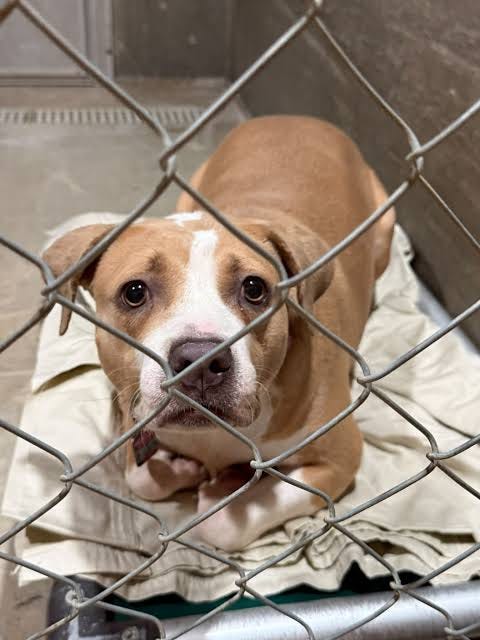
Last week, I wrote about California’s new law allowing defendants to lose custody of animals seized in cruelty and neglect cases prior to conviction. Specifically, I noted that:
Historically, these animals were held until the case was resolved, which often took months and in some cases years. Regressive pounds in California, and other states, refused to socialize or exercise the animals, leading to behavior and health issues. By the time the cases were resolved, pound directors simply killed the animals by falsely labeling them as “unadoptable,” even as they were culpable in the animal’s mental and physical deterioration.
The law provides an opportunity to spare animals unnecessary suffering, but it is not a guarantee of a better outcome. As I explained: “While AB 2344 allows animals to be adopted or transferred to rescuers, it also allows California pounds to simply kill them, and I fear that is what many of them will do.”
There is another reason for concern.
Even prior to passage of AB 2344, California, and other states, already had a mechanism for obtaining custody of animals before a criminal case concludes. California has had a pre-conviction forfeiture law for animal cruelty since 2012. And even before the law, pre-conviction forfeiture was possible within existing forfeiture frameworks.
As a former shelter director and criminal prosecutor, I utilized pre-conviction forfeiture proceedings to place animals in loving homes without having to hold them during the pendency of a trial and potential appeal. That not only freed up kennel space for other animals, but started animals on the road to recovery sooner rather than later.
The problem is that having the legal authority to act does not mean prosecutors and pound directors will use it.
Under California Penal Code § 597.1, agencies could seize animals in exigent need of care or suffering from neglect. Under subdivision (h), the owner was required to pay all impound and boarding costs within 14 days of notice. If the owner failed to pay, the animal was deemed statutorily abandoned as a matter of law, permitting the agency to adopt out the animal prior to any criminal verdict. This avenue was affirmed in a 1999 Court of Appeal decision. Most pound directors and prosecutors did not pursue these proceedings — not because the law prevented them from doing so, but because it required additional work.
Pre-conviction forfeiture can make an enormous difference in the lives of seized animals. But obtaining forfeiture requires someone to identify the cases, prepare and file any notices or petitions, establish the evidentiary basis, coordinate with a rescue, and litigate the matter when necessary. If prosecutors and pound directors choose not to do this, most animals will remain impounded even when a legal mechanism exists to secure their release to appropriate placements.
California’s new law does not eliminate that problem. It creates another avenue for earlier placement, but it does not require prosecutors and animal control agencies to pursue those avenues. Nor does it require them to choose adoption or rescue over killing.
In 2012, and now under AB 2344, California has created more opportunities to get animals out of prolonged impoundment and into appropriate homes sooner. That is a worthwhile development. But what will ensure that agencies actually use these opportunities?
Recovery for animals seized because they have been subjected to cruelty should not have to depend on whether a prosecutor feels like filing a petition or whether a pound director feels like working with a rescue. The new law could be a meaningful step toward protecting these animals. But unless California addresses the implementation problem and eliminates killing as an option, it risks repeating a familiar failure: a system that has the legal tools to save animals but does not use them.
I’m the cofounder of the LA Animal Cruelty Task Force in 2000 and was possibly the first full time animal cruelty prosecutor. As part of the Task Forces’s accomplishment of which I am most proud, I also implemented protocols that you referred to which insured that for almost 9 years virtually every case animal was fostered or adopted within weeks of filing charges. We didn’t have to wait for a conviction. That was using existing laws as you also mentioned. It’s been horribly frustrating seeing those protocols abandoned by the LA City Attorney, DA and Animal Services. What was even more frustrating was that the former “interim” GM of Animal Services had been in the Task Firxe and knew about the protocols. Yet she told the LA times and media they couldn’t release animals until a conviction. Thus the shelter had case animals languishing for years. I’m glad for the new legislation but thanks for letting people know these protocols existed beforehand and it’s only because of the DA and LA City Attorney abandoning these procedures that countless abused animals suffered even after being impounded. I responded to the LA Times report on this when the former GM lied and said there wasn’t anyway to release these animals until a conviction. I also changed policy so that case animals had the highest priority in finding new loving homes. Since retirement and that of my DA colleague Debbie Knaan the system fell apart.