

In other news: Utah legislature passes Animal Rescue Act. State strengthens animal abuser database. Police go “nuts” because a local man fed hungry, homeless cats during a snowstorm. Do you have what it takes to save lives? Reducing chronic disease goes hand-in-hand with killing fewer animals. Industries that kill animals fight humane alternatives.
These are some of the stories making headlines in animal protection:
Utah legislature passes Animal Rescue Act
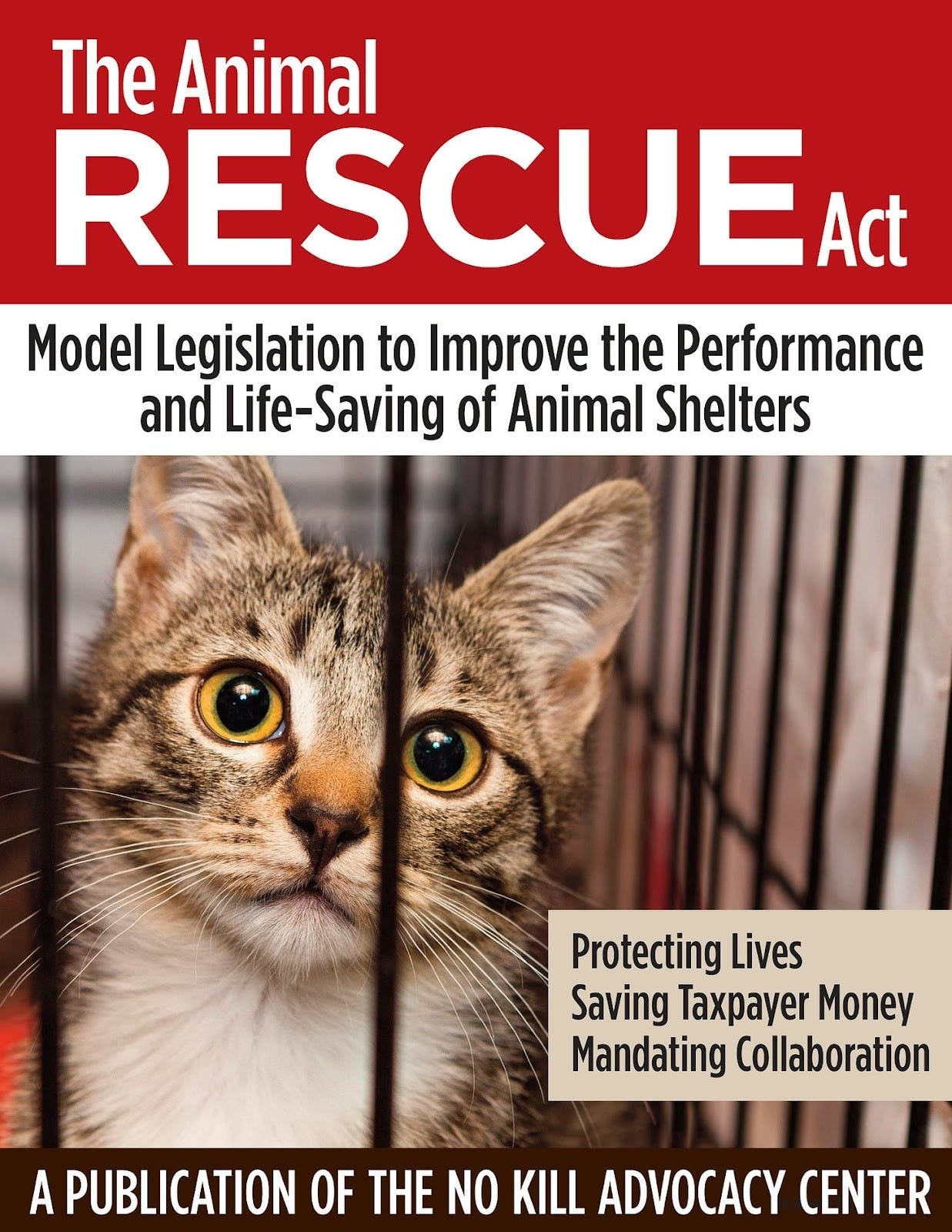
SB 201, a bill to make it illegal for Utah pounds to kill animals that rescue groups are willing to save, has passed the Utah House and Senate and is awaiting the Governor’s signature.
The bill, modeled after The No Kill Advocacy Center’s Animal Rescue Act, requires “shelters” to notify qualified groups two days before killing animals and allow their rescue. If signed into law, it will save lives, save money, spare rescuer suffering, and bring in millions of dollars in tax revenue.
In California, for example, a similar law has been on the books since 1998. It has increased the number of animals transferred to rescue groups rather than killed from 12,526 a year to 99,783 — a nearly 700% increase, all at no cost to taxpayers.
In fact, it resulted in a potential cost savings of over $4,000,000 statewide for killing and destruction of remains. Over 2,000,000 animals have been saved since the law’s inception.
While Best Friends issued a press release applauding SB 201’s legislative passage and falsely claiming to have helped draft it, the language was taken nearly verbatim from prior No Kill Advocacy Center bills in other states that Best Friends has opposed and, in some cases, helped defeat, such as Bowie’s Law and Oreo’s Law. Best Friends helped kill these bills at the behest of its regressive partners, consigning tens of thousands of animals to certain death every year.
The No Kill Advocacy Center has model legislation for individuals seeking to enact a similar law in their city, county, or state.
Florida strengthens animal abuser database
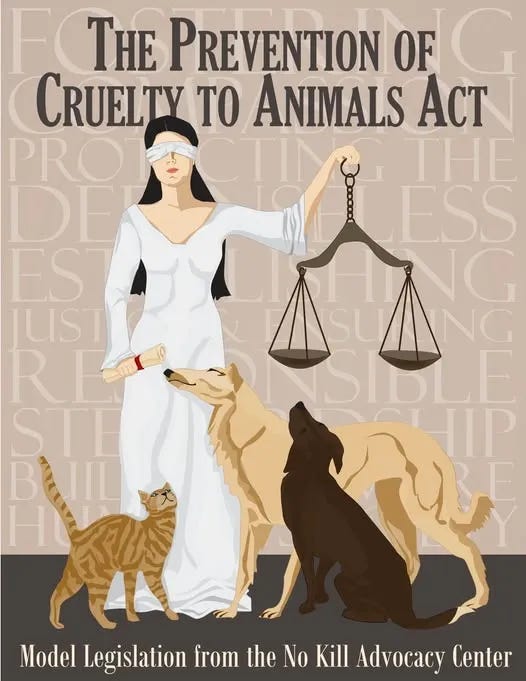
A new Florida law took effect on January 1 that requires the state to maintain a public database of people convicted of aggravated animal cruelty charges. “Dexter’s Law” was named for a dog adopted from a shelter and killed just days later.
Unfortunately, there are no birthdays, photographs, the names of the counties where the crime occurred or where the people live, to provide more identifying information. That is about to change.
The House and Senate unanimously voted to correct the defect.
If signed by the Governor, as expected, the updated database will include, “aliases, date of birth, race, counties of conviction, charges, case numbers, dispositions, descriptions of any identifying marks and tattoos and a photograph of a person.”
By knowing the right lies to tell and which truths to omit, convicted animal abusers can potentially acquire animals from shelters, rescuers, and others who lack access to valuable information to help them make better, more informed choices. An “Animal Abuser Registry” or database modeled on laws now protecting children, strips abusers of this advantage by requiring those abusers to register with the state or be included on a public database.
The No Kill Advocacy Center has model legislation for individuals seeking to enact a similar law in their city, county, or state.
Village criminalizes compassion