

This is an updated version of an article that was first published in 2022 and then republished with updated studies in 2024. The current article has several new studies, expanded discussion, and additional recommendations. New studies and updated discussions are clearly marked throughout.
In the dog room
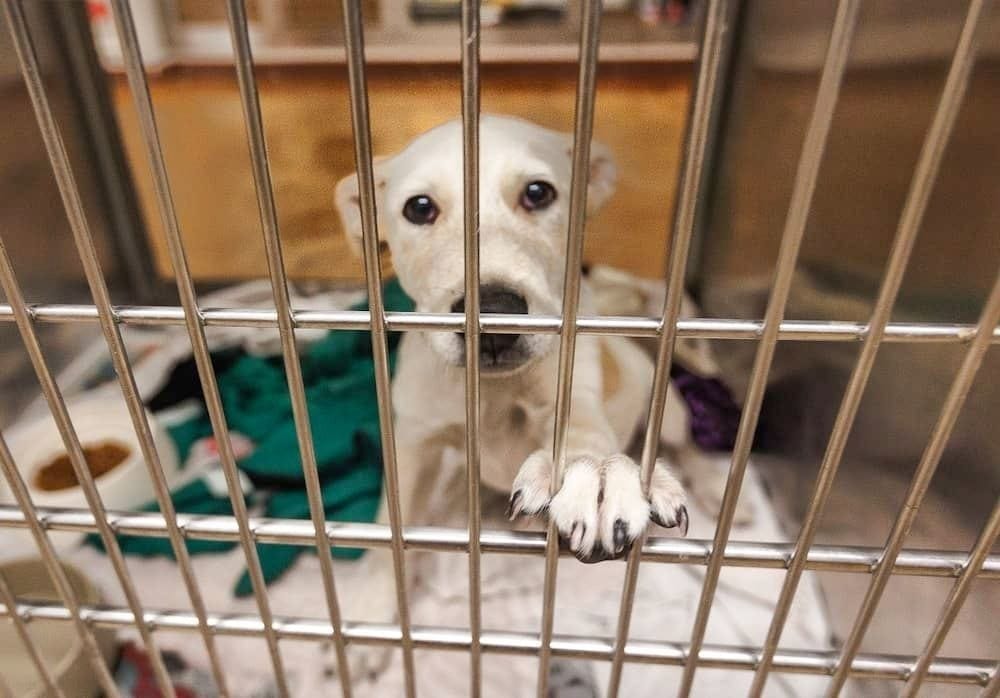
Shelters are stressful places for dogs and can be stressful places for potential adopters. In most shelters, dogs can’t see people or other dogs in neighboring kennels. Where there is glass, it’s often opaque. Where there are fences or bars, they face a wall. When people visit, they are told not to touch the animals. These are mistakes that increase frustration for dogs.
When frustrated, dogs are stressed, bark excessively, and engage in antisocial behavior. The louder the barking, the less time people spend in the kennels looking for dogs to adopt. And the more dogs bark or act out, the longer it will take for them to be adopted.
Moreover, studies have found no compelling evidence that the vast majority of dogs are in shelters because there is something wrong with them. Instead, “surrenders often say more about the people doing the surrendering — about ‘owner-related factors, needs, and expectations’ — than the dogs being surrendered.” As such, shelters should stop thinking of dogs as having “behavior problems” and instead understand them as “behavior incompatibilities” with the person they were living with before being surrendered.
For example, like human children, dogs go through a rebellious adolescent phase. Despite that enrichment/reward-based training can modify these behaviors, research has found that “this corresponds with the peak age at which dogs are relinquished to shelters.” Not surprisingly, most shelter dogs are young. Without enrichment in the shelter, they may be falsely labeled “aggressive” or “unadoptable” and killed.
Various studies conclude that “Even in well-managed and funded facilities, dogs are likely to encounter an array of stressors including noise, unpredictability, loss of control… disruption of routines…” and unfamiliar people and surroundings. Without rigorous efforts to remedy these issues, as many as eight out of 10 dogs fail their behavior evaluation. By contrast, these dogs will likely pass if provided enrichment, including those initially, though falsely, deemed “potentially quite dangerous” by shelter staff.
These enrichment activities include allowing dogs out of the cage/kennel for human interaction, dog-dog play, several daily walks, letting dogs see people and dogs in shelters by removing visual barriers that block such access, and group housing. Over one-third of dogs housed alone suffer behavior problems, and 10% engage in repetitive behavior (like endless barking). By contrast, dogs housed with other dogs have “a decrease of stress after long term stay in the shelter.” As such, dogs in shelters for more than two weeks should always be pair or group-housed if they get along with other dogs. Aggression and fighting are rare as long as the staff is thoughtful about pairing.
Moreover, soft music with human voices reduces stress in kenneled dogs. Of note, studies have found that dogs prefer, in order, soft rock, reggae, pop, and then classical. The soft human voice is the most important part of the musical experience for dogs. Dogs, however, get bored of the same playlist. By the end of the first day, the impact of stress reduction from playing the same songs was eliminated. By the end of the first week, the impact of the same type of music (e.g., classical or soft rock) was eliminated.
Finally, conventional wisdom says the longer dogs are in the shelter, the more likely they are to become “kennel crazy” and thus “less adoptable.” This is false as “dogs adapt to the kennel environment over time” and “environmental enrichment helps animals to cope with their environments.” In other words, newly admitted dogs tend to be stressed. Dogs who only get the basics — food, water, and shelter — are stressed. But socialized and exercised dogs are not stressed; the longer they are in the shelter, the less stressed they become.
Findings: Requiring an appointment to adopt animals leads to significantly fewer adoptions — and fewer adoptions lead to more killing.
Study: “What is the Evidence for Reliability and Validity of Behavior Evaluations for Shelter Dogs?”
Findings: There is “no evidence that any canine behavior evaluation has come close to meeting accepted standards for reliability and validity.” Some tests are wrong as much as 84% of the time (a combination of poor tests and poor testing practices by pound workers). While shocking, it should not be surprising since the tests rest on a “fatally flawed” premise: “that the provocations used at a single time during a dog’s stressful experience in a shelter will predict future behavior at a different time and place.”
Study: “The Relationship Between Aggression and Physical Disease in Dogs.”
Findings: Medical conditions “can trigger aggression in a nonaggressive dog.” This includes hyperthyroidism, neurologic issues, exposure to distemper, skin problems, and microbiome changes. Specifically, “aggression can be a defensive reaction to avoid a particular handling that the dog anticipates as potentially painful.” Moreover, “the stress response associated with pain reduces serotonin activity,” and a “reduction in serotonin activity in the [central nervous system] has been linked to aggressive behavior in dogs.” Animal shelters that claim a dog is “aggressive” must “include a thorough physical examination to rule out painful conditions, a neurologic examination, a complete blood count, and biochemistry.”
Findings: Shelter staff cannot accurately predict dog behavior in a home based on dog behavior in a shelter: “displaying concerning or dangerous behavior was not significantly associated with return to the shelter, and positive predictive values were low, implying that many positive tests will be false positives.” Indeed, “dangerous behaviors” occurred in sheltered dogs significantly “less than 5%” of the time.
Findings: Shelters are very stressful places for dogs, causing them to fail behavior evaluations. “Even in well-managed and funded facilities, dogs are likely to encounter an array of stressors including noise, unpredictability, loss of control… disruption of routines…” and unfamiliar people and surroundings. A small amount of enrichment — being spoken to softly, given treats, petted, and played with — can result in dogs passing temperament tests. After just five days of being treated kindly, “nearly all” fearful dogs passed the test. This is true even for dogs deemed “potentially quite dangerous” at the beginning of the study.
Study: “Characteristics and Adoption Success of Shelter Dogs Assessed as Resource Guarders.”
Findings: While 15% of kenneled dogs guard their food, many “do not guard food in their adoptive homes, and, even when dogs continue to display food guarding in the home, adopters do not consider it to be a major problem.” As such, shelters should opt for “adoption rather than euthanasia for most dogs identified as resource guarders during behavioral evaluations in shelters.” Dogs returned for food guarding should be readopted and can be adopted without incident.
Study: “Saving Normal: A new look at behavioral incompatibilities and dog relinquishment to shelters.”
Findings: There is no compelling evidence “for the notion that the general population of relinquished dogs in shelters are there because of relationship-breaking behavioral incompatibilities in their prior home.” Most dogs labeled “behavior” are normal as “surrenders often say more about the people doing the surrendering — about ‘owner-related factors, needs, and expectations’ — than the dogs being surrendered.” As such, shelters should stop thinking of dogs as having “behavior problems” and instead refer to them as “behavior incompatibilities” with the person they were living with before being surrendered.
Findings: “[T]he welfare consequences of adolescence-phase behavior could be lasting because this corresponds with the peak age at which dogs are relinquished to shelters.” In other words, like human children, dogs go through a rebellious adolescent phase, and reward-based training can modify these behaviors.
Study: “Impact of Visual Barrier Removal on the Behavior of Shelter-Housed Dogs.”
Findings: Letting dogs see people and dogs in shelters by removing visual barriers that block such access reduces stress in shelter dogs. Stressed dogs are likely to fail their behavior evaluations.
Study: “An Evaluation of Respondent Conditioning Procedures to Decrease Barking in an Animal Shelter.”
Findings: Poor behavior in shelter dogs is often a sign of frustration. Specifically, dogs can see people and other dogs but can’t interact with them. Over time, they associate people and other dogs with frustration. Dog treats counter-conditioned them. It doesn’t matter if dogs are given treats when they weren’t barking, were barking, or when conditioned to identify a sound — such as a door chime — all three improved dog behavior.
Findings: Group housing dogs reduces frustration. Over one-third of dogs housed alone suffered behavior problems, and 10% engaged in repetitive behavior (like endless barking). As such, dogs in shelters should be pair or group-housed if they get along with other dogs. Fears about aggression and fighting in pair-housed kennels tend to be overblown, with fights being rare so long as the staff is thoughtful about pairing.
Findings: Dogs co-housed with other well-matched dogs are less stressed and adopted faster than those housed alone.
Findings: Conventional wisdom says the longer dogs are in the shelter, the more likely they are to become “kennel crazy” and thus “less adoptable.” This is false as “dogs adapt to the kennel environment over time” and “environmental enrichment helps animals to cope with their environments.” In other words, newly admitted dogs tend to be stressed. Dogs who only get the basics — food, water, and shelter — are stressed. However, socialized and exercised dogs are not stressed; the longer they are in the shelter, the less stressed they become.
Study: “Welfare Assessment in Shelter Dogs by Using Physiological and Immunological Parameters.”
Findings: “During the initial physiological adaptive response, novel environment, manipulation, change in social structure, and different cages can represent sources of stress for dogs entering a shelter,” but for dogs housed with other dogs, the result is “a decrease of stress after long term stay in the shelter.” In other words, dogs should be able to see and interact with other dogs and people to “reduce frustrated attempts to see what is going on beyond their kennel.”
Study: “Ancestry-inclusive dog genomics challenges popular breed stereotypes.”
Findings: Breed tells us how dogs look, not how they behave. For “predicting some dog behaviors, breed is essentially useless, and for most, not very good.” For example, “the defining criteria of a golden retriever are its physical characteristics — the shape of its ears, the color and quality of its fur, its size — not whether it is friendly.” Likewise, the findings “cast doubt on breed stereotypes of aggressive dogs, like pit bulls.” The study adds to a growing scientific literature that demonstrates breed bans are useless for public safety and breed descriptions are useless for matching dogs who exhibit desired behaviors with prospective adopters.
Study: “For Pits’ Sake: Effect of Breed Labels on Perceptions of Shelter Dog Attractiveness.”
Findings: Shelter workers often misidentify breeds: 50% of dogs labeled “pit bulls” lacked DNA breed signatures of breeds commonly classified as pit bulls. Moreover, perception of breed negatively impacts length of stay and adoption rates. Consequently, removing these labels allows these dogs to be adopted and adopted more quickly. It also results in a better fit between the family lifestyle and the individual dog’s behavior.
Study: “A Review on the Influence of Noise on the Welfare of Dogs.”
Findings: Almost half of all dogs fear noise to varying degrees, including the sounds of an animal shelter, and for those “shelters” that rely on arcane “temperament tests,” dogs could be labeled “unadoptable” and killed as a result. All shelters must employ noise abatement strategies “because the welfare of animals may decline” if they do not. This includes “incorporating sound control in the design of… buildings” such as acoustic clouds, using “quieter cleaning tools,” “replacing noisy overhead fans,” and enrichment strategies, including music with soft, human voices. In cases of extreme fear, medication may also help.
Study: “The effect of different genres of music on the stress level of kenneled dogs.”
Findings: Soft music with human voices reduces stress in kenneled dogs. Lowered cortisol levels, heart rate, and stereotypy behavior measured this. Dogs preferred, in order, soft rock, reggae, pop, and then classical. The soft human voice is the most essential part of the musical experience for dogs. However, dogs, like humans, get bored of the same playlist. By the end of the first day, the impact of stress reduction from playing the same songs was eliminated. By day seven, the effect of the same type of music (e.g., classical or soft rock) was eliminated.
Findings: Dogs thrive around other animals: “like many social animals — including humans, having more social companions can be important for the dog’s health.” Isolating dogs leads to poor health outcomes.
Findings: Dogs can smell when humans are stressed, which impacts their choices, resulting in dogs making more pessimistic judgments if exposed to a stressed person.
Note: In addition to these findings, numerous studies have found that the ability of people, including shelter workers, to identify canine behavior correctly is poor, despite most rating their understanding of dog behavior highly. For example, “Barking and growling are not isomorphic [synonymous] with ‘aggression.’” Neither are mouthiness and other behaviors typically labeled as “resource guarding” behavior, “jealousy,” or “aggression.” Often, the dog is just seeking information: “When dogs ask questions of and gain information… in active interactions, tactile exchanges are frequent and complex, often involving mouthing, an activity that humans both misunderstand and actively discourage.”
Not surprisingly, “over one-third (36.9%) of dogs originally brought in by their owners for euthanasia could, upon further evaluation by staff and discussion with owners, be made available for adoption” given that they “had medical or behavioral concerns that were amenable to resolution, as opposed to all having terminal health conditions or intractable behavior problems.”
NEW Study: “The value of sniffing: A scoping review of scent activities for canines.”
Findings: Scent-based activities — such as leash walks where staff and volunteers let the dog lead, wander, and sniff ambient environmental odors at the dog’s own pace, hiding treats for the dog to locate, and exposing dogs to ambient essential oils — “can lead to increased positive behaviors and a decrease in stress-related behaviors” in shelter dogs. These activities help reduce stress and anxiety caused by common shelter conditions such as noise, confinement, and unfamiliar surroundings. Dogs that participated in olfactory enrichment also exhibited fewer stress-related behaviors, including stereotypic actions like pacing and excessive barking. At the same time, they displayed more relaxed and exploratory behaviors, as sniffing tasks allowed them to engage in natural behaviors that support their mental well-being. The authors also noted that these behavioral improvements may lead to better adoption outcomes, as dogs who appear calmer and more confident are generally more attractive to potential adopters, helping increase the likelihood of faster adoption.
NEW Study: “Dog skull shape challenges assumptions of performance specialization from selective breeding.”
Findings: Specific dog breeds do not possess inherent physical traits that make them superior for tasks such as herding, retrieval, or guarding — or make them prone to aggression. Researchers examined breeds commonly used in law enforcement and military roles and found no significant differences between breeds trained for this kind of work and those that were not. They determined that breeds are influenced more by human aesthetic preferences than functional needs. For example, the study’s authors noted that, “Some people claim that [dogs identified as ‘pit bulls’] will bite harder than other dogs of the same size, or they have special features like ‘locking jaws’ that make them especially dangerous to people. Our study shows that this is simply not true.”
NEW Study: “The Effect of Kennel Viewing on the Adoption of Slow-Track Dogs.”
Findings: Allowing potential adopters to view dogs without requiring an appointment significantly increased adoptions of dogs who had been in the shelter for 10 or more days. After the study shelter introduced partial daily kennel viewings, adoption rates for these “slow-track” dogs increased by as much as 57%, reducing their average shelter stay by approximately 44 days. Because long-term dogs made up as much as 72% of the adoption population and were more likely to be larger and older, increasing their visibility created more opportunities for in-person interactions and emotional connections with potential adopters. As such, face-to-face engagement is a key factor in helping overlooked dogs find homes more quickly.
NEW Study: “Effects of two types of environmental enrichment on the behavior of dogs in shelters.”
Findings: Reaffirms the importance of enrichment for dog mental and physical health, but notably finds that even minimal enrichment benefits dogs. Dogs who were provided with small amounts and types of enrichment were significantly more likely to approach the front of the cage, sit, lie down, and remain quiet when approached, which might make them more appealing to potential adopters.
NEW Study: “The implications of weeklong fostering and co-housing on shelter dog welfare.”
Findings: Dogs who enter shelters and are placed in foster care for just one week before returning to the shelter experienced a significant decrease in stress, as measured by cortisol levels (a primary stress hormone). To prevent the dogs from being stressed again upon their return to the shelters, researchers housed them with familiar kennel mates. If they did this, the dogs “rested more and engaged in less high-intensity (potentially stress-related) activity than those housed alone or with a brand-new stranger dog.” Researchers urged shelter managers to expand foster programs, prioritize co-housing, and reduce noise and other environmental stressors.
NEW Study: “Dogs (Canis familiaris) distinguish conspecific emotional chemosignals.”
Findings: Dogs can detect emotional states in both humans and other dogs through scent, reliably distinguishing odors of stress, fear, and happiness. These smells alone trigger responses. In fact, in both human-dog and dog-to-dog contexts, stress-related odors appear to exert the strongest behavioral effects, without any other actions by the other dogs.
While odor allows dogs to navigate complex social environments in which emotional information is transmitted chemically, it also has profound implications for shelters. Shelters are inherently stressful environments for dogs — characterized by noise, confinement, and unpredictability. They also smell, not just because many of them are unclean, true as that is, but because of stressed dogs. As the smell of “stress” can spread chemically through the air, it leads to chronic tension across kennels. This is why scent-based enrichment is important. It is also why friendly, compassionate, unstressed staff who are not just there for a paycheck matters.
NEW Study: “Linking shelter conditions to health: A multisystem analysis of stress, metabolism, and fecal microbiota in dogs.”
Findings: Yet another in a long line of studies that finds that lack of enrichment in animal “shelters” directly degrades a dog’s mental and physical health. Notably, the study found that lack of enrichment also impacts a dog’s metabolic and gastrointestinal health. Conversely, by prioritizing regular enrichment programs, shelters can significantly mitigate chronic stress and cultivate sustainable, high-welfare environments for companion animals.
In the cat room and strategies for feral cats
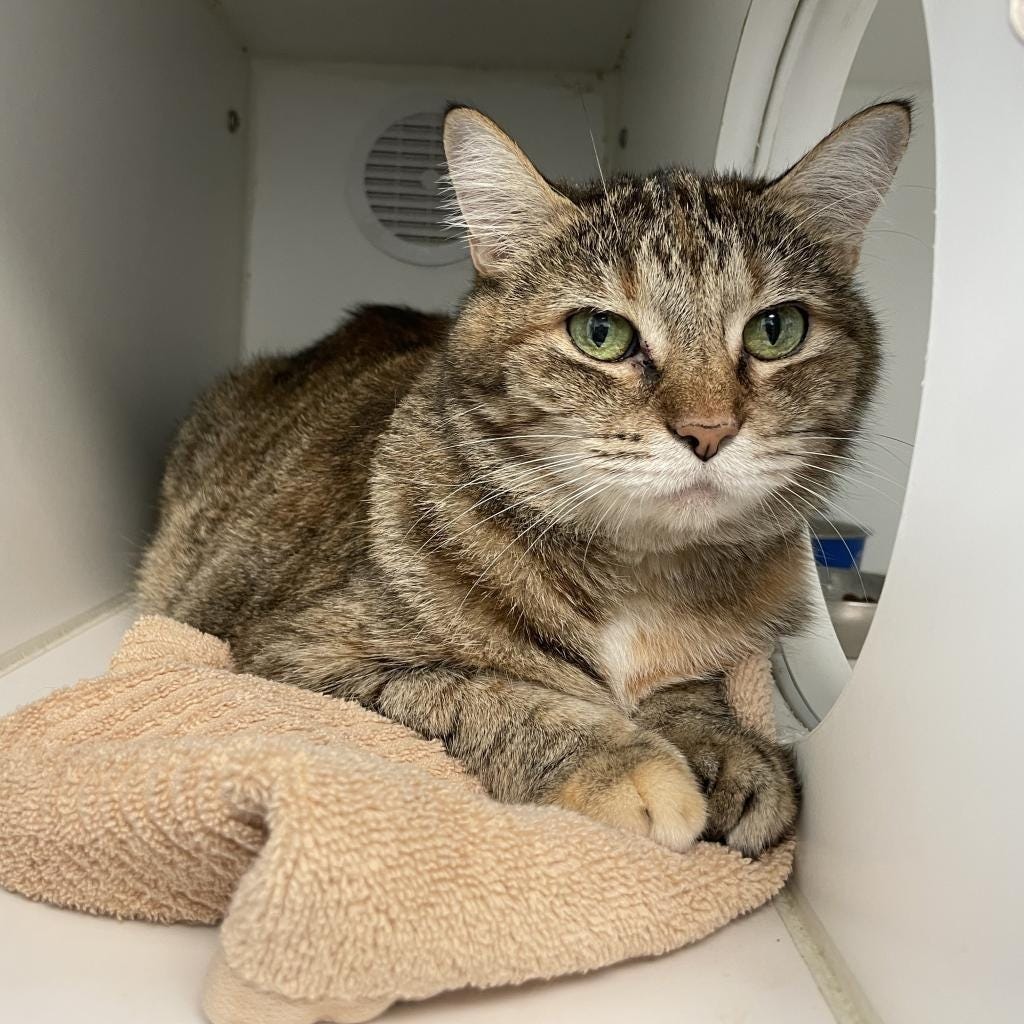
Shelters are stressful places for cats. Shelters that do not have a “mental health” component (touch, talk, play) in concert with a “physical health” component (vaccination on intake, prompt and necessary veterinary care, cleaning/disinfection) undermine the well-being of cats and put them at risk of getting sick and being killed.
Moreover, many cats fear noise to varying degrees. This fear is often triggered in shelters by barking dogs and other loud noises. At shelters that have not embraced a culture of lifesaving, this can lead to cats inaccurately being labeled “fearful,” “fractious,” or “unadoptable” and killed.
All shelters must employ noise abatement strategies to avoid negatively impacting animal welfare. This includes sound control, such as acoustic clouds, quieter cleaning tools, and enrichment strategies. For example, unless they are housed in a large, free-roaming cat room, cats should be allowed out of the cage/kennel for human interaction, playing, and running at least twice daily. Moreover, cats should be gently petted and talked to daily. These practices result in a markedly lower chance of upper respiratory infection. Cats who are not stroked and talked to gently are over two times more likely to get sick (due to stress) than cats who are. Ironically, many shelters do not allow people to touch cats due to fear of disease, placing signs throughout the shelter to that effect.
Finally, while shelters label roughly two out of five cats “feral” or “aggressive” (and these cats are killed unless the shelter embraces a community cat program), studies have concluded that very few cats will respond fearfully after day six if gently petted and talked to throughout their stay in the shelter. This is also true of cats who cannot be touched when they arrive. As such, “a 3-4 day holding period“ is not “sufficient to differentiate non-feral from feral cats.”
Regardless, No Kill shelters do not kill cats for “behavior,” “aggression,” or being considered “feral.” Community cats who are not social with humans are returned to their habitats. Cats deemed “fearful” or “fractious” but otherwise social with humans are adopted out, despite those issues, because cats do not pose physical risks to public safety. The behavior also often resolves outside of a shelter.
Findings: Cats gently petted and talked to have a markedly lower chance of getting an upper respiratory infection. Cats not stroked and talked to gently were over two times more likely to get sick (due to stress) than cats who were. Ironically, many shelters do not allow people to touch cats due to fear of disease, placing signs throughout the shelter to that effect, even though the absence of touching makes them 2.4 times more likely to get sick.
In addition, cats who are labeled “feral,” “unsocial,” “fractious,” or “aggressive” are virtually all killed unless the shelter embraces a community cat sterilization program. While 18% of the cats tested would have been deemed “feral” due to “aggression” (and thus killed), none of the cats responded that way after day six. This is also true of cats who could not be touched when they arrived and were stroked “mechanically” with a fake hand. As such, “a 3-4 day holding period” is not “sufficient to differentiate non-feral from feral cats.”
Study: “The Impact of Lethal, Enforcement-Centred Cat Management on Human Wellbeing.”
Findings: Besides harm to cats, killing “feral”/community cats results in profound human suffering. Cat caregivers are motivated by “considerable concern regarding the health and safety of the cats,” “feel responsible for improving their health and welfare,” and “commit substantial time and finances to their needs, despite existing legal and financial difficulties.” As such, the bond between caregivers and cats was “as strong as the bonds with their own pets,” and “the cats looked to them (the caregivers) to keep them safe and fed.” So, it is not surprising that caregivers suffer when officials kill cats. That suffering was “significant,” leading to grief, trauma, poor physical health, and long-term psychological distress, including profound guilt, loss, and inability to eat. Given this and other evidence, shelters must abandon lethal methods and instead “identify and assist caregivers to implement neutering and, if possible, adoption. This would improve cat welfare, minimize public complaints, and reduce psychological hazards to caregivers.”
Note: Killing a cat for “behavior,” “aggression,” or being considered “feral” should never occur. There isn’t even a need to delay finding homes for these cats. They can be sterilized and returned to their habitats if they are not social with humans and are used to living outdoors, or they can be adopted out immediately if they are. Simply put, people will adopt cats with “cattitude.”
This is not to say that cats who experience behavior issues in the shelter do not warrant changes in shelter housing, shelter treatment, and behavior intervention to address those needs. They do. However, they can be adopted despite those issues because resolving behavior challenges is almost always done by getting them out of the shelter. Moreover, for those who do need further treatment, treatment in the home will be more effective and focused, as it is for many dogs.
As the director of an open-admission animal control shelter, I eliminated any “behavior category” for cats and thus any killing of cats for “behavior,” “aggression,” or being “feral.”
A community cat program reduces intake and killing of community cats, illness in the shelter, complaint calls to animal control, spending (and waste of taxpayer money), and increases opportunities to expand lifesaving of other animals, such as dogs.
NEW Study: “Navigating the controversy: Public perspectives on free-roaming cat populations and control strategies in Israel.”
Findings: While most people want to see the community cat population reduced, 90% oppose killing them. The study also found that, “Public attitudes toward stray cats in Israel closely mirror trends observed in the United States and parts of Europe, where compassion for free-roaming cats coexists with concern about their growing numbers.”
NEW Study: “Comparative effectiveness of culling and birth control in free-roaming animal management: A systematic review.”
Findings: Researchers reviewed 91 empirical studies and 18 modeling studies evaluating killing vs. sterilization interventions across multiple outcomes, including population control, zoonotic disease prevention, public safety, animal welfare, ecological impacts, and cost-effectiveness. Their findings showed that birth control strategies were significantly more effective.
The review found that long-term, integrated birth control programs consistently produced better outcomes across nearly every category studied. Programs that achieved high sterilization coverage over multiple years were more likely to reduce animal populations, lower rabies incidence, decrease “shelter” intake and kill rates, and improve public attitudes toward free-roaming animals. By contrast, killing often failed because populations quickly rebounded through abandonment, migration of new animals into cleared areas, and continued uncontrolled breeding.
NEW Study: “Bella and Charlie Are Not the Problem—It’s Us: The Real Causes of Wildlife Rescue in NSW.”
Findings: Cats are not responsible for the wildlife harm they are being falsely blamed for. Researchers analyzed 11 years (2013–2024) of wildlife rehabilitation records in Australia, covering 52,475 individual animals from 158 threatened species. Human and human activities were responsible for most known wildlife harm, followed by extreme weather events (which might also be human-related). Notably, other animals represented just 4.4% of all wildlife injuries, with cats representing a minority of those (0.6%). That is 311 of the 52,475 injuries, and does not account for the fact that cats are scavengers and may have come across wild animals already injured for other reasons (e.g., human caused harm).
While public debate has disproportionately emphasized cats as a “conservation threat,” that debate is misinformed. In addition to falsely blaming cats, it overlooks more common and potentially preventable human causes of wildlife injury. The analysis finds that most harm is associated with human-modified environments, including hazardous infrastructure, roads, entangling materials, and habitat fragmentation.
The study’s main implication is that wildlife protection efforts would achieve greater benefits by prioritizing prevention of the most common rescue causes rather than focusing on cat management and killing.
In the rooms with rabbits and other animals

Although rabbits make up the third most common animal in shelters, they — and other non-dog and cat species — are often treated like second-class residents. While all U.S. states have holding periods for stray dogs and cats, they may have none for bunnies, allowing shelters to kill them immediately with no attempt to rehome them.
Moreover, while shelters might have rules prohibiting the adoption of dogs who will not be allowed in the house because lack of socialization and affection are traumatic for dogs, they have no such rules for rabbits who suffer similar harm and likewise belong in homes, not backyard cages. Finally, many shelters do not vaccinate or sterilize rabbits despite doing so for dogs and cats.
The No Kill movement has also primarily ignored bunnies, rodents, “exotic” pets, birds, wildlife, and farmed animals. The need to save rabbits is conspicuously absent on the platforms of many organizations. They have resisted calls to add them to statistics when calculating overall community placement rates. Many shelters placing over 95% of dogs and cats either have no safety net for rabbits and other animals — turning them away — or they kill them in large numbers but still call themselves No Kill.
Even some rabbit advocates do them a disservice by choosing death at the pound rather than have them adopted out to homes with children (buying into the same misanthropy that dog and cat rescuers rejected a decade ago). Adding insult to injury, rabbits are legally considered “food” and abused to test cosmetics.
It is well past time for change.
NEW: Helping families overcome the challenges that cause them to surrender animals
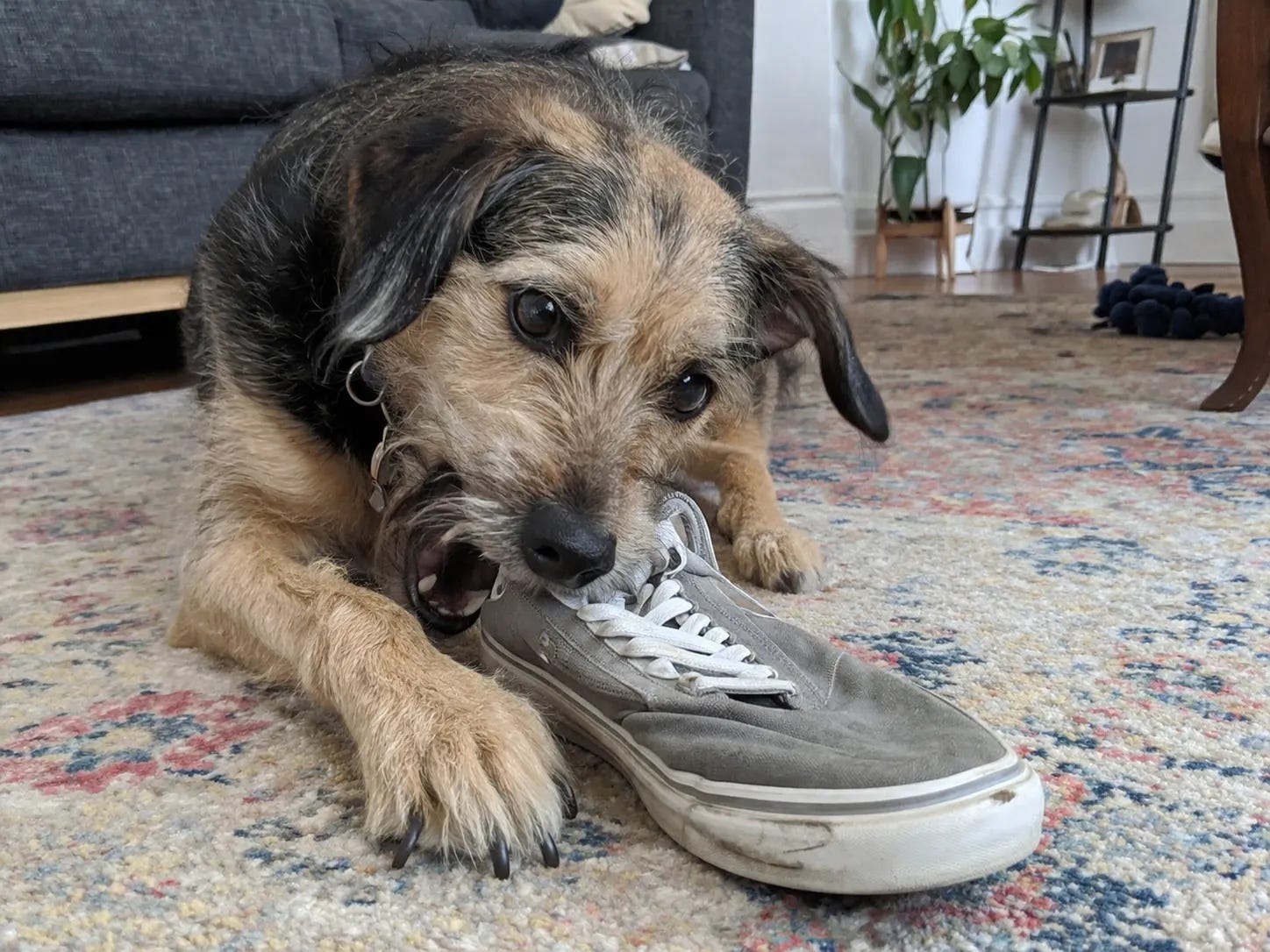
NEW Study: “Support-seeking and rehoming pathways differ by surrender circumstances among pet owners.”
Findings: One of the core programs of the No Kill Equation — the programs and services responsible for a 95% decline in national pound killing rates — is pet retention. While some surrenders of animals to shelters are unavoidable, others can be prevented — but only if shelters work with people to help them solve their problems. Keeping animals out of shelters responsibly requires innovative strategies for keeping people and their companion animals together.
That assistance needs to be targeted to actually solve the problem in the particular case, not generic advice based on long-standing dogma (such as why dogs bark or cats pee outside litterboxes).
The study examined why people give up their pets and what happens before that decision is made. Surveying hundreds of dog and cat owners who had rehomed or surrendered a pet, researchers found that these situations fall into three main categories:
Owner hardship, such as financial strain, housing issues, or health problems;
New acquisition mismatch, when a recently adopted pet turns out to be a poor fit; and,
Behavioral incompatibility.
Across all groups, the types of support people wanted were practical rather than abstract: affordable veterinary care, access to training or behavior advice, and temporary care options during periods of instability. Most critically, intervention needs to happen as early as possible — before people reach the proverbial breaking point.
A large share of animals surrendered involved re-surrender; new pets that didn’t work out. When I ran shelters, we contacted new adopters one week after adoption, two weeks later, and then six months later to see how things were working out and to resolve any issues before they became entrenched. That prevented many returns, which for us was less than 2%. Without proactive efforts to reach these individuals and, when needed, provide them with concrete, situation-specific support, efforts to reduce pet surrender rates will not reach their full potential. And in some pounds, that amounts to a death sentence.
NEW: Many “shelters” will not voluntarily implement these findings

In virtually every study noted above, researchers urged “shelter” leaders to adopt science-based management strategies. But that is not likely to happen as other research, “Perceived importance of specific kennel management practices for the provision of canine welfare,” finds that pound employees do not view health, hygiene, and enrichment as important. Indeed, it found that the very people tasked with caring for the neediest dogs, and by implication cats and other animals, in our society are the least concerned about their welfare. And that has enormous implications for the health, well-being, and lives of these animals.
Specifically, the study examined whether existing research into what animals need for good welfare while housed in kennels changes how these facilities house and care for dogs. The answer is “No.” And given inconsistent, unenforced, and in many cases, non-existent regulations that mandate a commitment to dog welfare, what dogs, cats, and other animals need is not “successfully translating into evidence-based changes in industry practice.”
Given this disconnect between what animals need and how many animal “shelters” are run, we need to stop pretending that managers and staff at poorly performing shelters are there because they love animals and are passionate about doing what is best for them. Instead, staff and managers appear ignorant of basic animal welfare, are not keeping up with the latest research, and are not implementing the findings. That suggests that staff at poorly performing shelters are not motivated by genuine concern for the welfare of animals, but doing as little as possible at their expense.
This isn’t mere speculation. The study found that kennel attendants with more enlightened views “are prevented from engaging in practices they believe to be of high value to the welfare of dogs” by senior employees and managers, leading them to “experience compassion fatigue, burnout, and moral distress.” Not surprisingly, this hostile work environment can lead such employees to resign their positions, leaving shelter animals in the custody of those who do not have their best interests at heart.
That is why we must force them to do so.
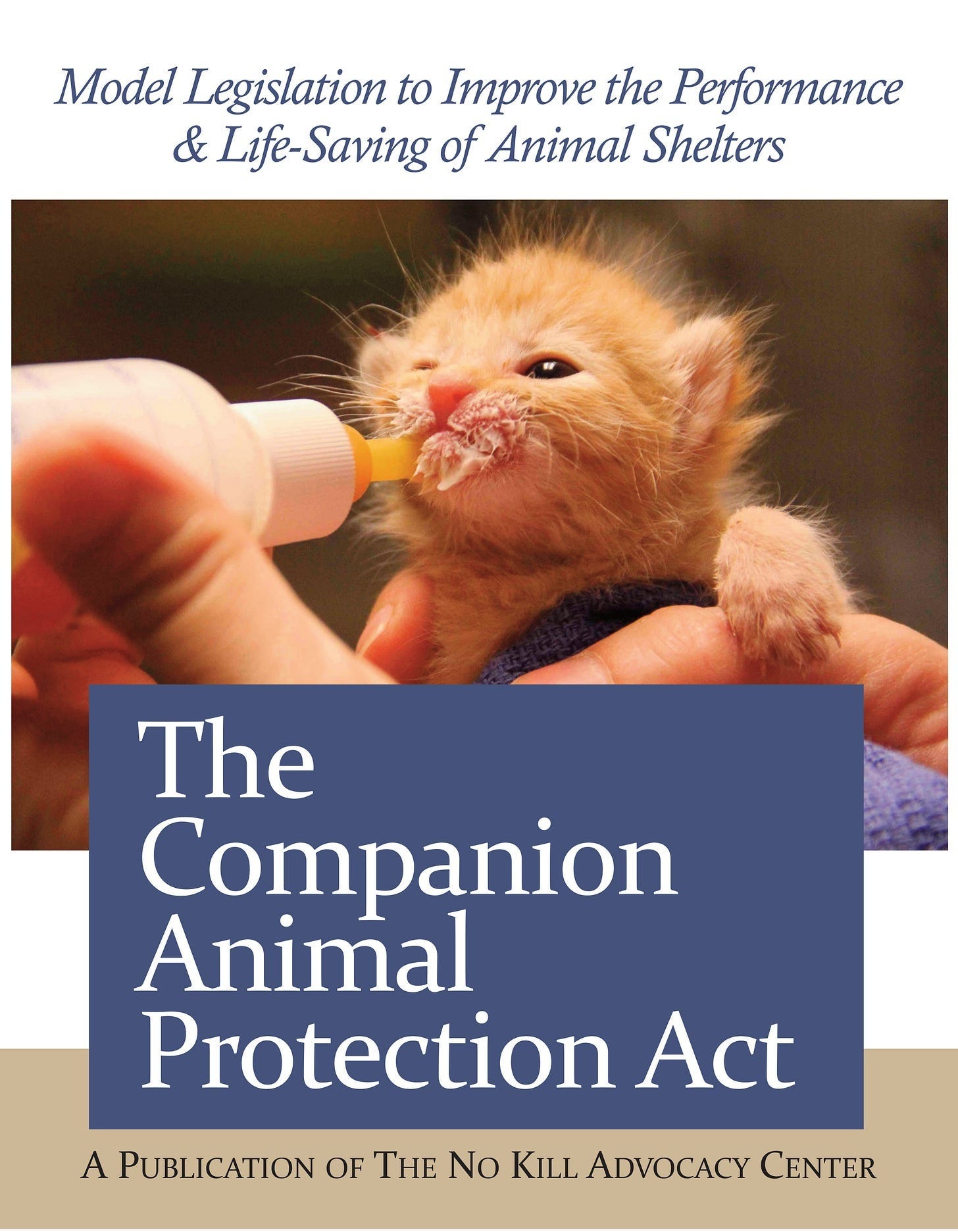
The No Kill Advocacy Center’s model shelter reform legislation, The Companion Animal Protection Act, gives animals the protections and enrichment they need, including effective holding periods, prompt and necessary veterinary care, and the right of rescue.
UPDATED: Running a humane shelter
A reference manual for running a humane animal shelter. Updated for 2026, The No Kill Companion covers:
The definition of No Kill;
Costs and benefits of No Kill animal control;
A 2025 snapshot of the No Kill movement;
Sample assessment tools and protocols for running a municipal No Kill shelter;
Animal protection legislation;
Primer on various shelter issues, including temperament testing, community cats, dog behavior, and more.

Based on studies, the pioneering work of behaviorists, and the results of some of the most successful agencies in the country, shelters can place 99% of dogs.
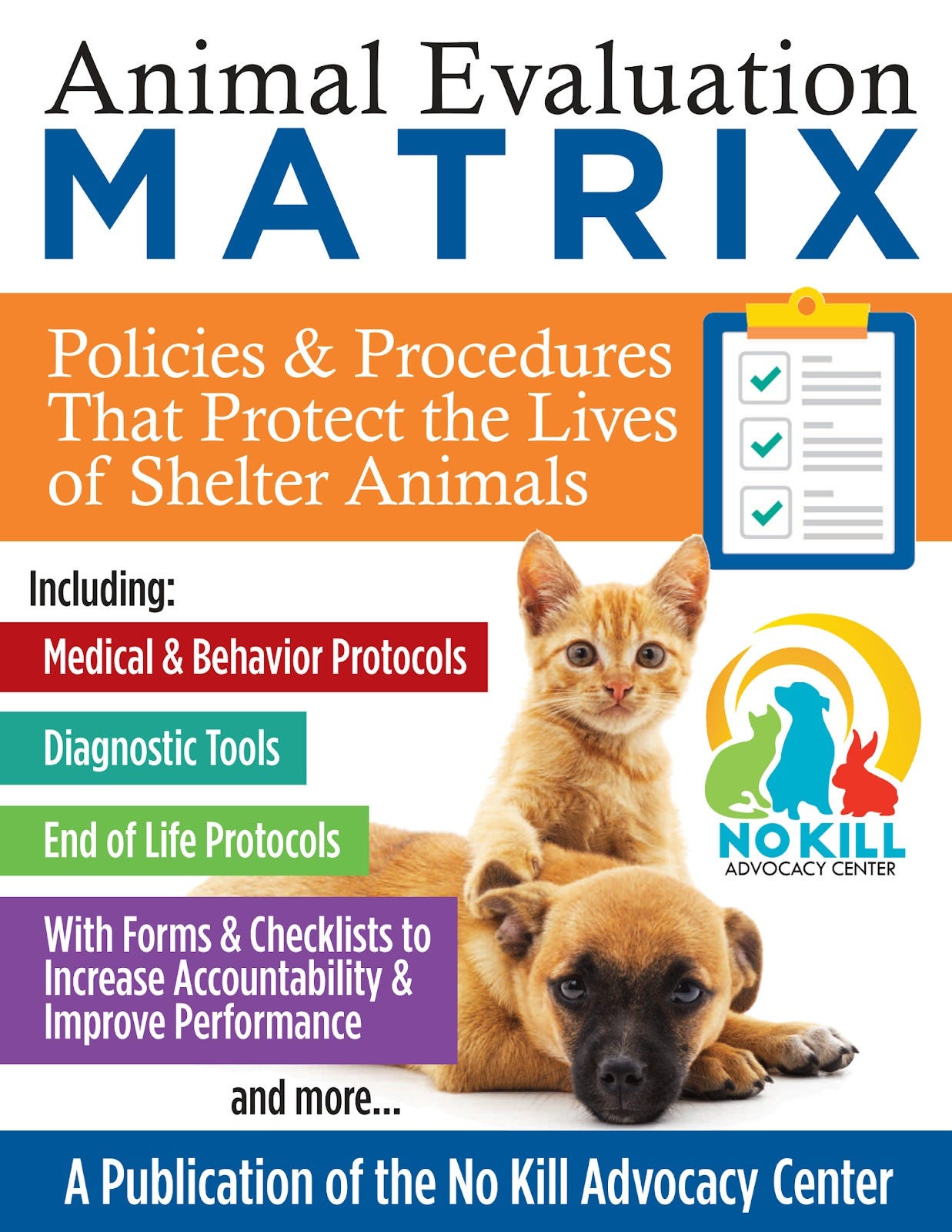
Animal Evaluation Matrix: Policies & Procedures That Protect the Lives of Shelter Animals
The Matrix includes medical and behavior protocols, diagnostic tools, and end-of-life protocols, with forms and checklists to increase accountability and improve performance. The No Kill Advocacy Center developed these protocols in collaboration with some of the most successful shelter directors in the country (directors running municipal and animal control-contracted shelters with placement rates of 99%).
UPDATED: Thanks to advancements in veterinary medicine, The No Kill Companion has an updated list of treatable behavioral and medical conditions.
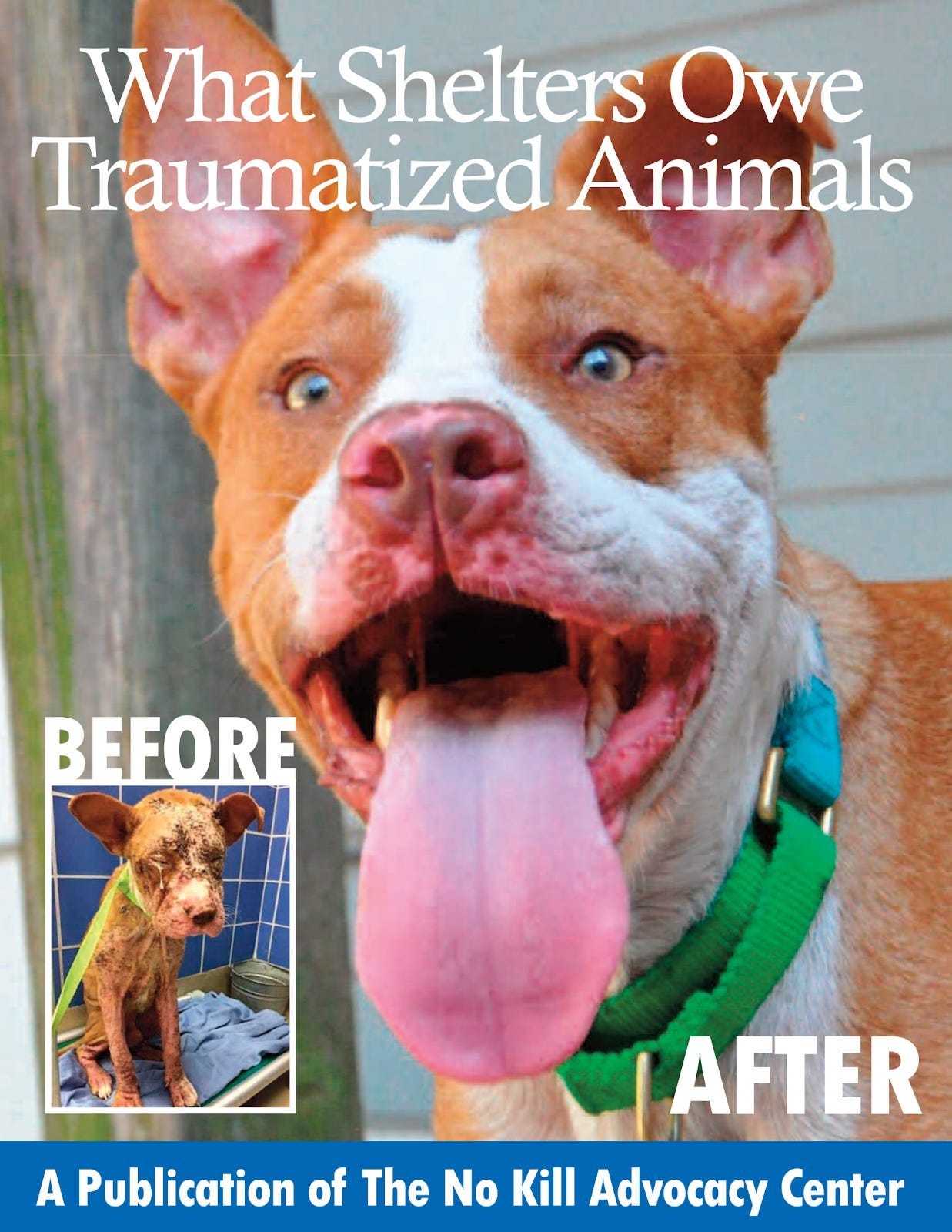
Traumatized dogs deserve safe harbor and time — time to abandon fear, forget a haunted past, and, most important of all, learn to trust. With the right amount of love, kindness, compassion, positive conditioning, and, when necessary, veterinary intervention, psychologically wounded animals, like humans, have a remarkable capacity for resilience.
NEW Study: The finding has been confirmed in “The successful use of medications and behavior modification in the treatment of a dog rescued from an animal hoarding situation: A case report,” which evaluates the rehabilitation of a dog born and raised in an animal hoarding environment. It shows how a combination of medication and behavioral training can successfully resolve severe fear and social anxiety.
The dog (an approximately two-year-old mix) was one of 77 dogs removed from a hoarding situation. Because the dog spent his early developmental period in extreme neglect — poor nutrition, little human interaction, overcrowding, and chronic stress — he developed profound behavioral problems, including fear of humans, pacing, leash-escape behavior, and anxiety around social interactions.
A veterinary behaviorist diagnosed a fear-related behavioral disorder and social anxiety. Treatment combined three medications — paroxetine (SSRI), gabapentin, and alprazolam — with structured behavior modification and environmental management. The behavioral plan emphasized predictable routines, avoidance of stress triggers, positive reinforcement, counterconditioning, and enrichment activities.
Over several months, the dog improved substantially. He became affectionate toward his owners, tolerated guests, and could go on normal walks, though he remained somewhat anxious in certain situations, such as veterinary visits.
The case study demonstrates that even severely traumatized animals can recover with long-term behavioral therapy and medication. It also provides an important takeaway for shelters, veterinarians, and policymakers: animals with severe trauma should not be considered “unadoptable” or to be irremediably suffering psychologically. Despite severe early deprivation, the dog eventually became affectionate and functioned normally in many daily activities.

The No Kill Advocacy Center offers over 30 free step-by-step guides for building a humane animal services program.
NEW: Is running a science-backed humane shelter more expensive?
Dollars & Sense: The Economic Benefits of No Kill Animal Control
Whenever I update the studies on the science behind running a humane shelter, I inevitably get questions about the cost of implementing those findings. In addition to my achieving a No Kill community running animal control despite a per capita intake rate twice the national average and per capita taxpayer funding that was a fraction of what others spent, running a humane science-based shelter is cost-effective.
For an expanded discussion, including the findings of several studies on increased placement rates as a function of costs and revenues, click here.
Dear Nathan, As l have stated many times in the past, animals are Sentient Beings and thus deserve to be treated with the same respect as Human Beings. Also, those in management positions and their associates who fail to protect the voiceless animals in their shelters were probably poorly educated in how important it is to show sensitivity and kindness to animals. Therefore, l encourage school systems to develop Animal Study Programs and Schools where children can interact with animals and learn and experience Sensitivity and Caring and Kindness and Compassion for Animals === Each and Every Life Matters. Such early life experiences will hopefully lead to more Sensitivity in future generations and to kinder and more compassionate animal shelter managers in the future. Let’s work together to Make This A Kinder and More Loving World for Human Beings and Animals.❤️🐶😸🙏
Thank you for putting into words what I have been dealing with and feeling. I volunteer at a very close minded, my way or the highway run humane society and I see the non caring attitude by mgmt and volunteers. They just show up, put no thought or effort into making anything better, then when I speak up, I am the bad guy.